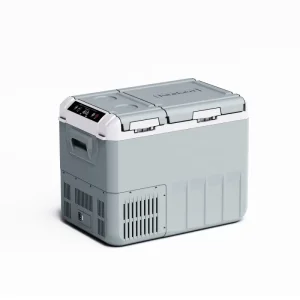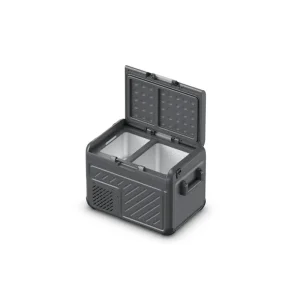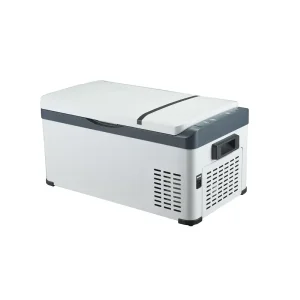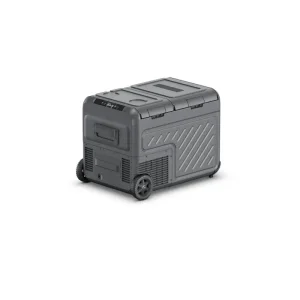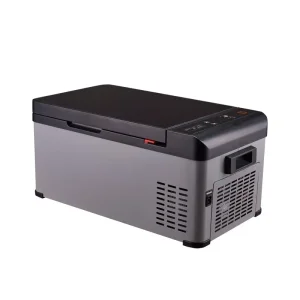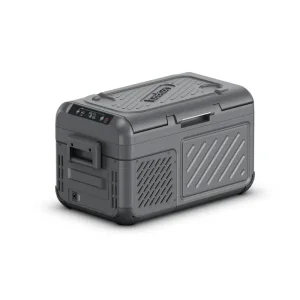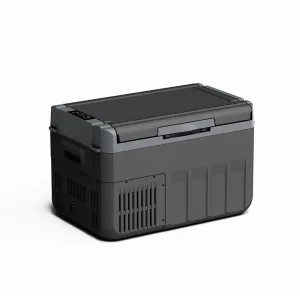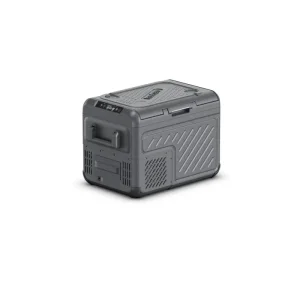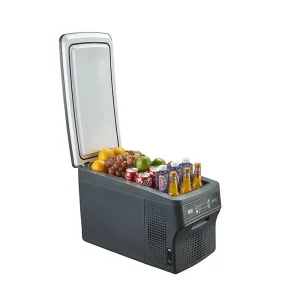
Moving beyond simple cooling, our future roadmap includes AI-driven energy management systems that sync with vehicle alternators and solar arrays to optimize power consumption based on weather forecasts.
Utilization of Vacuum Insulation Panels (VIP) to reduce wall thickness while increasing thermal retention, allowing for larger internal capacities within the same external footprint of truck beds.
Transitioning to R290 and other eco-friendly refrigerants with zero ODP (Ozone Depletion Potential) and ultra-low GWP (Global Warming Potential) to meet stringent EU and North American regulations.
Engineering specialized compressor mounts and reinforced chassis to withstand the 4G vertical shocks common in off-road overlanding and heavy-duty industrial trucking.
Independent circuit cooling for freezer and fridge compartments, allowing users to maintain -20°C and +4°C simultaneously with a single compressor unit.
Seamless switching between DC 12V/24V, AC 110V/240V, and direct solar DC input without the need for external adapters or controllers.
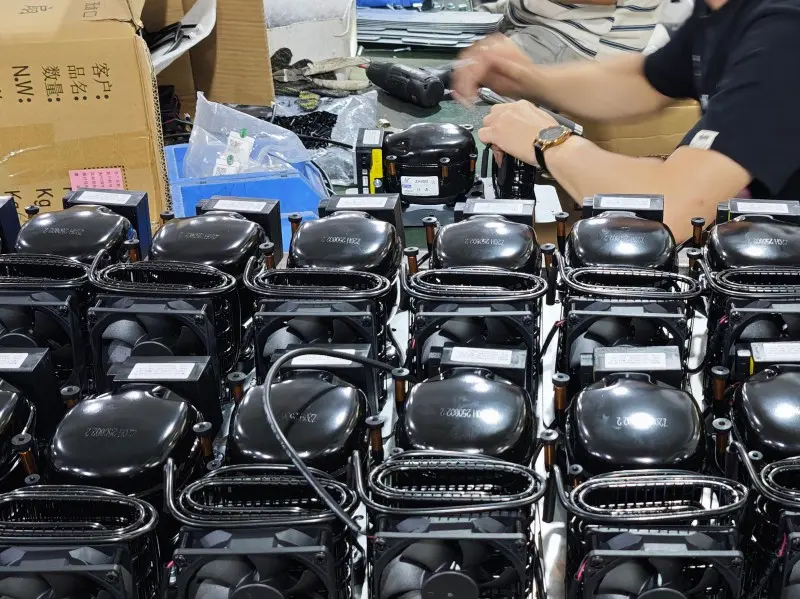
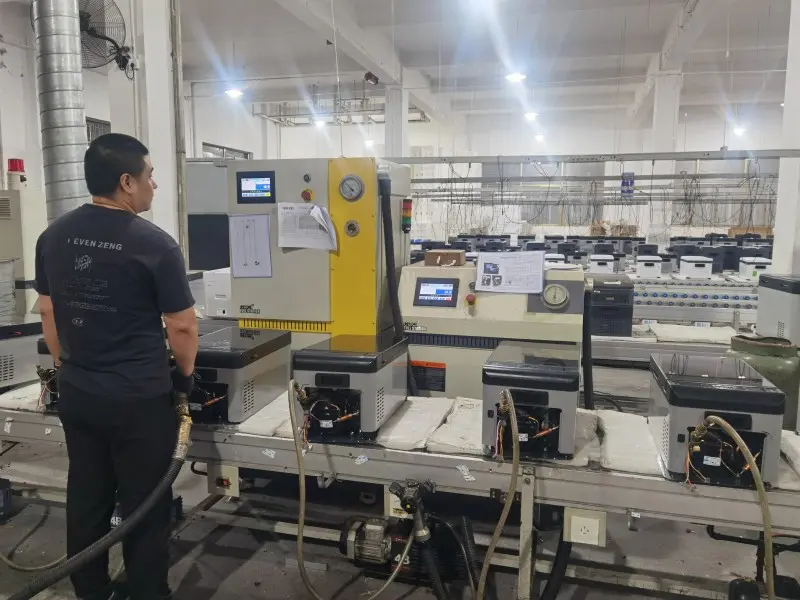
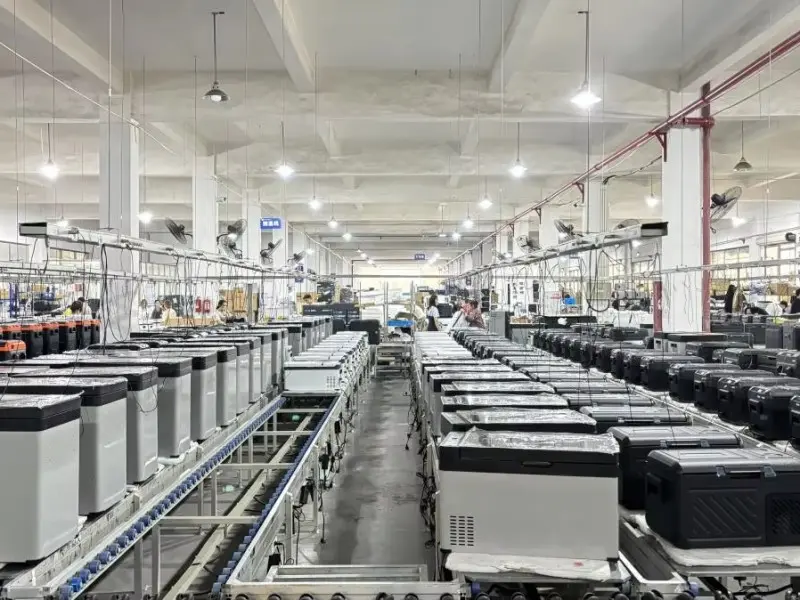
In the Australian Outback or the American Southwest, truck bed fridges must survive extreme dust and heat. Our units feature IP-rated seals and high-torque compressors that start even on 30-degree inclines, making them the preferred choice for Jeep and Toyota Tacoma enthusiasts.
For the transport of temperature-sensitive pharmaceuticals or high-end perishables, our fridges provide a cost-effective alternative to fully refrigerated vans. The compact footprint allows for easy installation in standard pickup beds or delivery scooters.
Marine environments require corrosion resistance. Our stainless steel hardware and UV-resistant plastics ensure longevity in coastal regions, while the low-decibel operation makes them ideal for sleeping quarters in RVs.
In remote areas without stable power, the ability to run off a 12V battery and solar panels makes our fridges critical for transporting vaccines and medical supplies during humanitarian missions.
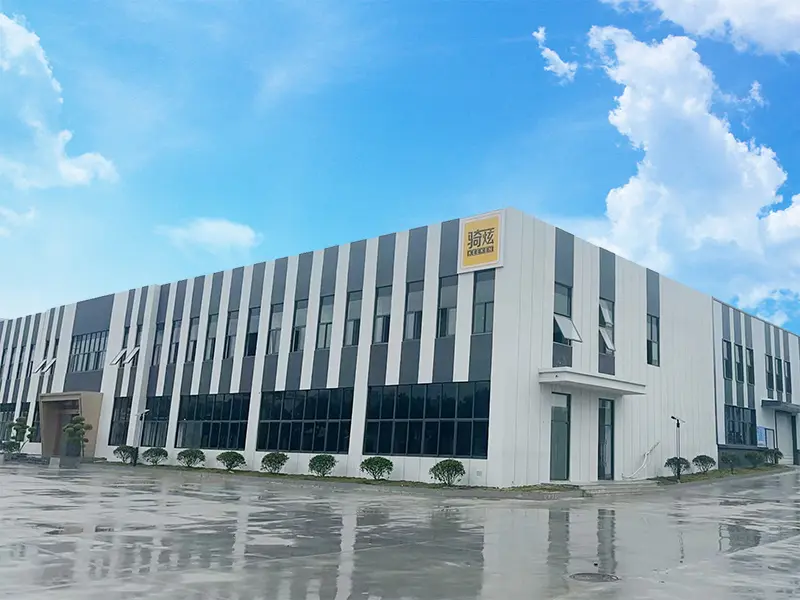
 Qixuan Electric