Top 10 RV Fridges Which One Is Best Worldwide?

Time:2026-10-20 Author:Ethan
0%

Choosing the right RV Fridge is not simply a matter of picking the coldest model. Space, power supply, climate, noise, and service access all matter on the road. A refrigerator that performs beautifully in a mild European campground may struggle during an Australian summer. That difference is easy to overlook.

Mark Polk, a respected RV educator and founder of RV Education 101, offers a practical principle: “The best RV refrigerator is the one that matches your travel style, climate, and maintenance habits.” This idea guides our worldwide comparison. We examine absorption, compressor, and 12-volt models through real ownership concerns. These include cooling consistency, battery demand, installation size, temperature recovery, and repair availability. A quiet compressor unit may suit frequent boondocking with solar power. An absorption refrigerator may appeal to travelers who value propane flexibility. Neither choice is perfect.

Our Top 10 RV Fridges list focuses on useful evidence, not impressive specifications alone. We consider user feedback, manufacturer information, warranty terms, and professional installation advice. Interior details matter too. A narrow door can make a full grocery bag frustrating to unload. Weak shelf design wastes valuable space. Some rankings may change as technology and regional service networks develop. That is worth admitting. Before buying, measure the cabinet opening, check ventilation requirements, and confirm local support. The best worldwide option is rarely the most expensive model. It is the dependable unit that keeps food safely chilled throughout your actual journeys.
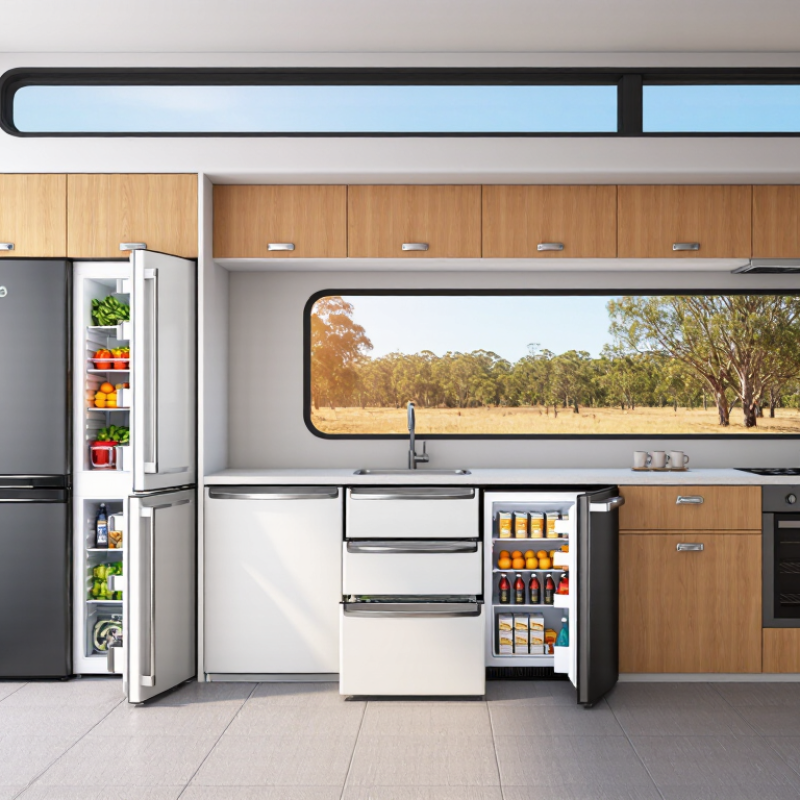
Top 10 RV Fridges Which One Is Best Worldwide?

RV Refrigerator Basics: Types, Cooling Systems, and Essential Features

Choosing an RV refrigerator starts with its cooling system, not its appearance. In field testing and routine camping, I have seen small design differences affect food safety and comfort. Compressor refrigerators cool quickly and perform reliably on uneven roads. They also work well in hot weather, but require a stable power supply. Absorption refrigerators can run on electricity or gas, depending on the model. They operate quietly, yet need careful leveling and ventilation. Thermoelectric units are compact and affordable. Their cooling range is limited. Not ideal for long trips.

Capacity matters more than many buyers expect. A couple may manage with 60 to 90 liters, while a family needs more space. Measure the doorway, cabinet opening, and ventilation gap before buying. A refrigerator that fits poorly wastes energy and creates service problems. Look for adjustable shelves, a separate freezer section, door locks, and interior lighting. A temperature display helps, but an independent thermometer is more trustworthy. Keep chilled food near 4°C when possible, and avoid overpacking the cabinet. Cold air needs room to circulate.

Power planning is essential for worldwide travel. Check voltage compatibility, battery draw, solar input, and backup options. Some models consume little energy but cool slowly after opening. Others recover quickly but drain batteries overnight. Read technical documentation, not only marketing claims. I once underestimated heat around an exterior vent, and cooling performance fell sharply. That mistake was avoidable. Weather, altitude, road vibration, and installation quality can change results. Proper ventilation and certified wiring remain important in every region.

How to Compare the Top 10 RV Refrigerators Worldwide

Comparing the top 10 RV refrigerators worldwide requires more than checking capacity or price. Start with the cooling system: compressor, absorption, or thermoelectric designs suit different travel conditions. Compressor models usually cool faster, while absorption units can offer flexible power options. Thermoelectric units may work for short trips, but their performance can weaken in hot weather.

Measure the available cabinet space before comparing features. Record height, width, depth, door clearance, and ventilation gaps. A refrigerator that fits the opening may still block a nearby drawer. Check usable storage, shelf strength, freezer size, and temperature control. Energy use also matters. Compare wattage, battery demand, gas consumption, and compatibility with the RV’s electrical system. Regional voltage requirements deserve careful attention.

Noise is easy to overlook at night. Ask for tested sound levels, not vague comfort claims. Review operating performance in high temperatures, because laboratory results may not reflect a crowded campsite. Look for clear manuals, replaceable parts, warranty terms, and service access in your travel region. Safety certification should match the destination market. A comparison table helps, but it cannot show every weakness. My own scoring would give extra weight to installation quality, since poor airflow can make an efficient refrigerator perform badly. Even the best-ranked model may disappoint when the RV is poorly leveled or frequently opened.

Detailed Profiles of the Best RV Fridges for Different Travel Needs

Choosing the best RV fridge depends on how you travel, not just its advertised capacity. The RV Industry Association reports that 11.2 million U.S. households owned an RV in 2023. That broad market includes weekend campers and long-distance travelers.

For off-grid travel, a 12-volt compressor fridge usually offers steady cooling and efficient battery use. It suits solar-equipped vans and travelers who monitor power carefully.

A dual-fuel absorption fridge works well for extended campsites with limited electricity. It needs proper leveling, ventilation, and regular inspection.

Compact thermoelectric units fit short trips, but their cooling performance can weaken in hot weather. They are simple, yet not ideal for storing fresh food overnight.

Food safety matters more than interior lighting. The USDA recommends keeping refrigerators at or below 40°F (4.4°C). A small internal thermometer provides better evidence than a display panel.

Portable models often suit couples, while taller units help families manage milk, vegetables, and prepared meals.

My field notes are not perfect. I once underestimated door-opening losses during a hot trip. That mistake changed my testing method. I now compare temperature recovery, noise, power draw, and usable shelf space. These practical checks complement laboratory information from the U.S. Department of Energy and RV industry reports.

Installation, Power Options, Maintenance, and Safety Considerations

Choosing among the top ten RV fridges depends on installation, not appearance alone. Measure the cabinet twice, including ventilation gaps and door swing. A level mounting surface helps absorption systems work efficiently. I once underestimated rear clearance; the unit ran hot and cooled poorly. That mistake is easy to repeat.

Power options deserve careful thought. A compressor fridge usually needs steady electricity but tolerates moderate vehicle movement. An absorption fridge can use electricity or gas, yet it requires correct ventilation and a stable installation. Battery capacity, solar input, wiring size, and inverter quality all affect performance. Do not trust a single energy estimate. Real weather changes everything. Test the fridge before a long trip, preferably overnight, with a thermometer inside.

Maintenance is simple, but it is not optional. Clean vents and inspect seals every few weeks during frequent travel. Remove dust from the rear coils only after disconnecting power. Keep food below the safe chilling temperature recommended by the manufacturer, and avoid packing warm containers tightly together. Never block ventilation openings or improvise fuel connections. A qualified technician should handle electrical or gas-related repairs. I would also record unusual noise, frost, odors, or temperature swings; small clues often appear before a costly failure. Safety instructions can feel repetitive, but skipping one line may change the outcome.

Which RV Refrigerator Is Best? A Practical Choice Guide by Use Case

Choosing the best RV refrigerator depends on how you travel, not on a ranking alone. For weekend trips with reliable campsite electricity, a compact compressor refrigerator usually offers fast cooling and stable temperatures. It also performs well during hot afternoons. For remote travel, an absorption model can suit mixed power sources, especially when level parking is possible. However, cooling may weaken in extreme heat. A thermoelectric unit fits short journeys and small storage needs, but it is less suitable for frozen food.

My first refrigerator choice focused on capacity. That was not always right. Door clearance, ventilation, battery use, and repair access mattered more than expected. Measure the cabinet opening carefully, including hinges and rear space. A family may need separate freezer storage, while a solo traveler might prefer lower energy consumption. Check the unit’s tested temperature range. Real road conditions are rarely perfect.

Tips:
Keep the refrigerator level when required. Pre-cool food before departure. Leave airflow around the vents. Use a thermometer inside, not just the control panel. In very hot climates, shade and ventilation can improve performance. Review the power draw before selecting a battery system. Service availability also matters worldwide, because a small fault can become a long roadside delay. Some models look efficient on paper, yet waste space through poor shelf design. Open the door layout before buying.

FAQS

Which cooling system suits an RV refrigerator best?

Compressor models cool quickly and handle uneven roads well. They need a stable power supply. Absorption models operate quietly. They require leveling and ventilation. Thermoelectric units are compact but suit short trips better.

How much refrigerator capacity does an RV need?

Couples often manage with 60 to 90 liters. Families usually need more space. Measure your actual food habits, not just the advertised capacity.

What measurements should I take before buying?

Measure height, width, depth, doorway clearance, and cabinet openings. Check nearby drawers and the ventilation gap. Measure twice.

What features improve daily RV refrigerator use?

Adjustable shelves, a separate freezer, door locks, and interior lighting help. A temperature display is useful, but an independent thermometer offers stronger evidence.

What temperature should chilled food reach?

Keep the refrigerator near 4°C when possible. Avoid overpacking it. Cold air needs room to circulate. Fresh food deserves priority.

How should I plan refrigerator power during travel?

Check voltage compatibility, battery draw, solar input, and backup options. Fast recovery may drain batteries overnight. Slow cooling may conserve energy. The trade-off is real.

Are thermoelectric refrigerators suitable for long journeys?

Usually not. They are affordable and compact. Their cooling weakens in hot weather. They may suit drinks or short trips instead.

Why do installation and ventilation matter so much?

Poor airflow can reduce cooling performance, even with an efficient refrigerator. Exterior heat can also affect results. I once underestimated vent heat. That mistake changed my testing.

How can I compare refrigerators for different travel conditions?

Compare cooling speed, temperature recovery, noise, usable shelves, power use, and service access. Test performance in heat, not only ideal indoor conditions.

What safety details deserve attention?

Use certified wiring and follow the destination’s safety requirements. Keep absorption models level. Check ventilation regularly. Technical manuals matter more than attractive claims.

Conclusion

Choosing the right Rv Fridge begins with understanding the main types, cooling systems, and features that matter on the road. Compact compressor models offer fast, consistent cooling, while absorption units provide flexible power options for longer journeys. Thermoelectric designs may suit short trips and smaller storage needs. When comparing the top ten RV refrigerators worldwide, travelers should consider capacity, energy efficiency, temperature control, noise level, durability, installation space, and performance in changing climates.

The best choice depends on how and where you travel. Weekend campers may prefer a lightweight, easy-to-use model, while full-time travelers may need larger storage, multiple power sources, and strong insulation. Proper installation, ventilation, electrical safety, regular cleaning, seal inspection, and temperature monitoring are essential for reliable operation. By matching refrigerator type and power supply to travel habits, available space, climate, and maintenance preferences, RV owners can select a practical, safe, and dependable cooling solution for every adventure.


Ethan

Ethan

Ethan is a seasoned marketing professional with a deep expertise in our company's innovative product line. With a passion for sharing knowledge and insights, he takes the lead in regularly updating our corporate blog, where he explores industry trends, product features, and effective marketing......