When embarking on a road trip, the last thing you want is spoiled food. A Portable Car Freezer is essential for keeping food fresh during your travels. As John Smith, an industry expert and consultant for refrigeration technologies, states, "Having a reliable portable freezer can transform any trip into a culinary adventure."
Portable freezers are not just cool boxes. They are designed to maintain consistent temperatures, ensuring your meals remain safe and enjoyable. It's surprising how many travelers overlook this vital gear. Many believe that traditional coolers are enough, but the reality is different. A Portable Car Freezer provides the precision needed for various foods.
While selecting the best model, consider your unique needs. Not all freezers offer the same performance or capacity. Users must also weigh factors like energy efficiency and portability. Some models may be bulky, making them hard to use in tight spaces. Understanding these nuances can lead to an informed choice, enhancing your travel experience. Remember, a smart investment in a Portable Car Freezer can prevent food waste and elevate your journey.
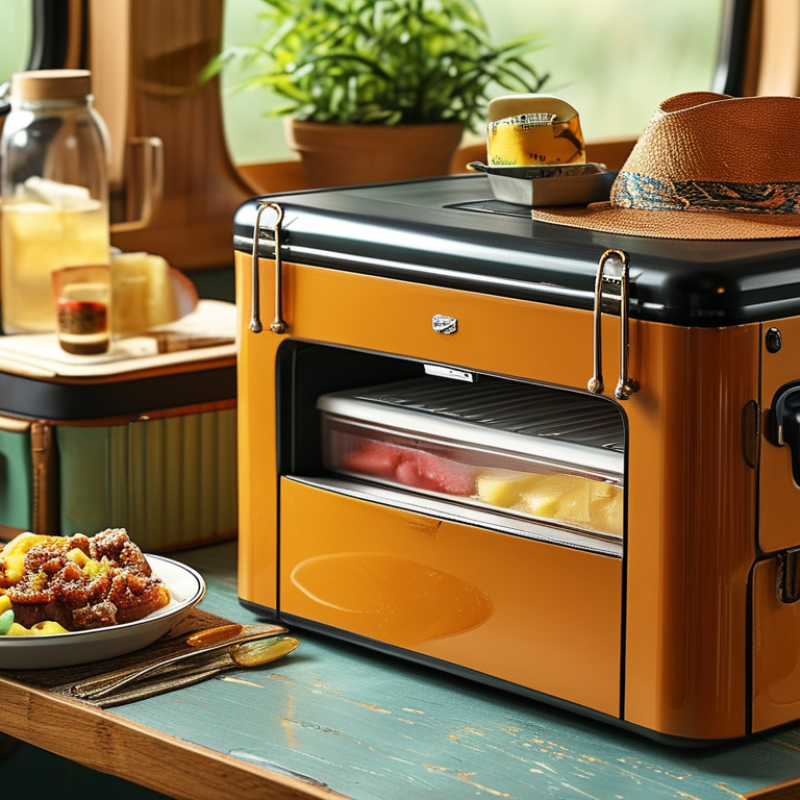
When choosing a portable car freezer, food safety is paramount. Temperature control is vital. The FDA recommends keeping food at 40°F or below. An effective car freezer should maintain this temperature consistently. Look for models featuring adjustable thermostat settings. This ensures precise cooling for various food types.
Storage capacity matters as well. It’s essential to consider how much food you plan to carry. According to industry reports, a typical portable car freezer has between 30 to 60 quarts of capacity. This is suitable for short trips or picnics. Understanding your personal needs can help avoid overpacking. Overcrowding a freezer can lead to uneven cooling and spoilage.
Energy efficiency is another crucial factor. Some freezers consume less power, vital for long road trips. Portable models should ideally utilize DC power supplies or solar options. This minimizes battery drain and contributes to sustainability. Still, users should reflect on their energy needs. Balancing power consumption with cooling efficiency can be challenging. Ultimately, choosing the right portable car freezer involves careful consideration of these features to ensure food safety on the go.
| Model | Capacity (Liters) | Cooling Range (°C) | Power Source | Weight (kg) | Price (USD) |
|---|---|---|---|---|---|
| Model A | 30 | -20 to 10 | 12V/110V | 12 | 199 |
| Model B | 40 | -18 to 5 | 12V/24V | 15 | 249 |
| Model C | 20 | -10 to 8 | 12V | 8 | 149 |
| Model D | 50 | -25 to 0 | 110V/12V | 20 | 299 |
| Model E | 25 | -15 to 7 | 12V/24V | 10 | 179 |
| Model F | 60 | -20 to -5 | 12V/110V | 25 | 349 |
| Model G | 35 | -22 to 5 | 12V/240V | 14 | 229 |
| Model H | 45 | -10 to 0 | 12V | 18 | 259 |
| Model I | 15 | -5 to 5 | 12V | 7 | 129 |
| Model J | 55 | -18 to -2 | 12V/110V | 22 | 319 |
Temperature control in portable freezers is crucial for preserving food freshness. Many people overlook how vital it is to maintain an adequate temperature. Ideal temperatures for freezing range from 0°F to -10°F. At these levels, food retains its nutrients and flavor more effectively.
In practice, many travelers face challenges with temperature fluctuations. Some portable units struggle to maintain consistent cold, especially in hot weather. This inconsistency can lead to food spoiling, which is both wasteful and unsafe. An unreliable freezer may also leave you second-guessing your meal options.
Understanding these factors helps in choosing the right portable freezer. Look for models equipped with strong insulation and efficient compressors. These features improve temperature stability, even in extreme conditions. It's essential to evaluate performance in real-world scenarios, not just based on specs. Checking user reviews can provide valuable insights. How a unit performs on the road can make or break your travel experience.
When choosing a portable car freezer, energy efficiency ratings matter immensely. These ratings indicate how much power the freezer consumes while maintaining optimal temperatures for your food. A more energy-efficient model will not only save you money on fuel but also provide longer-lasting freshness. If you're on a long road trip, efficient power usage is critical for keeping your food safe.
Tips: Always check the energy class of your freezer. Higher ratings often signify lower energy consumption. Consider using a solar panel or battery pack in combination with your car freezer. This setup can improve your efficiency tremendously, especially during long journeys.
Traveling with a less efficient model can lead to frustration. A portable car freezer that uses excessive power might drain your vehicle's battery quickly. This situation can leave you with spoiled food and a dead battery. Regularly assess the energy consumption of your freezer, and make adjustments as needed to ensure a smooth journey.
Tips: Monitor your battery levels when using the freezer. Keep an emergency charger handy. Always have a backup plan if the energy situation doesn't go as planned. These small measures could save your trip from being a disappointing experience.
When considering portable car freezers, various brands provide distinct features. High-quality insulation and energy efficiency are crucial for optimal performance. Some models excel in temperature maintenance, allowing you to keep food fresh for extended periods. Yet, many users find issues with battery consumption over long trips. It’s essential to weigh the pros and cons of each model.
One brand focuses on lightweight design and ease of transport. This can be a game-changer for road trips or camping. However, some users report the compressor’s noise level can be disruptive. Another option features a robust build but tends to be heavier and bulkier, which may not suit everyone’s needs. Considering size and weight versus capacity is vital for practical use.
A few models claim fast cooling times, but consumer experiences vary widely. Some individuals find the claimed cooling efficiency doesn’t match expectations. While some models promise low energy consumption, actual figures may tell a different story. This variability makes it necessary to research user reviews and experiences comprehensively. Each user’s situation will dictate the best choice for their needs.
The latest innovations in portable car freezers are transforming how we travel with food. Recent industry studies reveal that around 45% of consumers prioritize convenience when selecting food storage solutions. Portable car freezers now feature lightweight designs and efficient cooling technologies, making them an essential travel companion. Enhanced insulation materials and compact compressors contribute to energy efficiency, ensuring your food stays fresh without draining your vehicle's battery.
Numerous models now incorporate smart technology. These features allow users to monitor temperatures through mobile apps. Reports indicate that this trend aligns with the growing consumer preference for smart appliances, which is predicted to increase by 30% over the next few years. Yet, despite these advancements, challenges persist. Not all freezers maintain optimal cooling under every condition. Variations in vehicle performance can affect the freezer’s efficiency, raising questions about reliability.
In addition, weight remains a concern. As manufacturers aim for portability, the balance between durability and lightness is often tricky. A significant percentage of users have reported difficulties with carrying heavier models. Achieving an optimal design requires constant refinement. Thus, while portable car freezers offer more features than ever, they also remind us of the complexities involved in creating a truly perfect solution for food storage on the go.
This chart illustrates the cooling performance of the top 10 portable car freezers, showcasing their ability to maintain low temperatures for food preservation during travel. Each freezer's cooling capability is measured in degrees Fahrenheit.
: Temperature control maintains food safety and freshness. Ideal freezing temperatures are between 0°F and -10°F.
The FDA recommends keeping food at 40°F or below to prevent spoilage.
Look for strong insulation and efficient compressors. These improve temperature stability under various conditions.
Most portable car freezers range from 30 to 60 quarts, suitable for picnics or short trips.
Energy efficiency is vital for long trips. Some models use less power, preventing battery drain.
Overcrowding can lead to uneven cooling, resulting in food spoilage and waste.
Review user feedback to understand real-world performance. Specifications alone may not reflect reliability.
Look for models with DC power supplies or solar options for sustainability and reduced battery consumption.
Fluctuations can cause food spoilage, leading to waste and uncertainty about meal choices.
Adjustable settings ensure precise cooling for different food types, enhancing overall effectiveness.
When it comes to keeping food fresh on the go, a Portable Car Freezer is an essential item for travelers and outdoor enthusiasts. Key features to consider include effective temperature control, which plays a crucial role in maintaining food safety and ensuring that perishable items remain fresh. Additionally, examining energy efficiency ratings can enhance your travel experience by reducing power consumption while still providing reliable cooling capabilities.
Innovative technologies have also significantly improved the portability of car freezers, making them easier to transport and use in various settings. A comparative analysis of popular models on the market reveals advancements in design and functionality, aiding users in selecting the right freezer for their needs. By understanding these important factors, you can make an informed decision and enjoy fresh food on all your adventures.

Qixuan Electric