Traveling brings joy and adventure, but it also requires smart planning. One crucial item for road trips is a Mini Car Refrigerator. This compact solution keeps your drinks chilled and snacks fresh. It can transform a long journey by providing comfort and convenience.
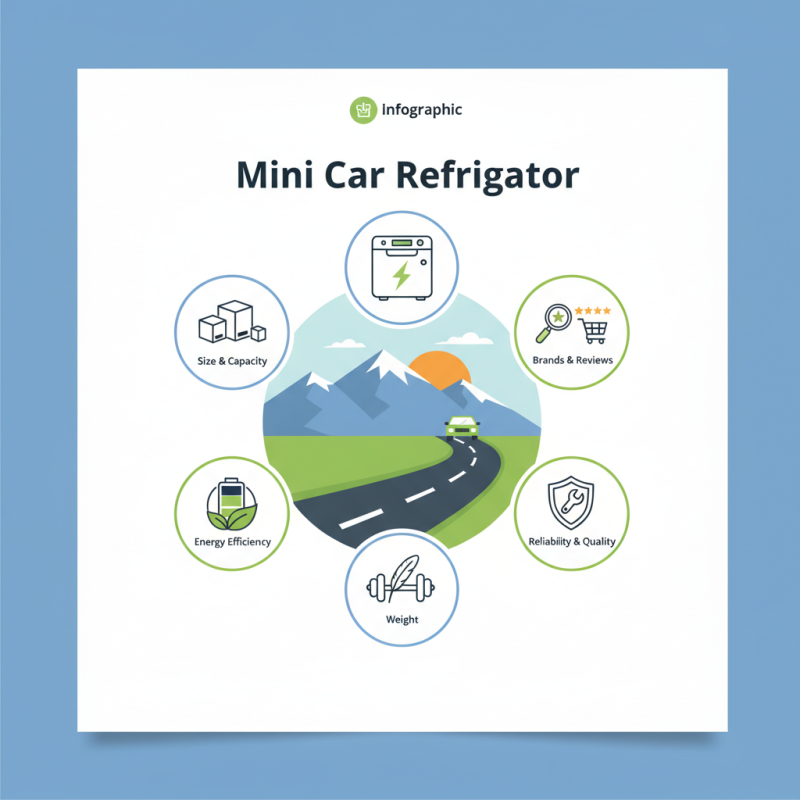
When selecting a Mini Car Refrigerator, consider size and capacity. A larger model may hold more items but can take up significant space in your vehicle. Look for energy-efficient options to save your car battery. Weight is another factor; a lightweight fridge is easier to handle.
Research brands and read user reviews. Some products promise much but may not deliver. Be cautious of budget options that compromise quality. Your choice should not only meet your needs but also offer reliability on the road. A well-chosen Mini Car Refrigerator can enhance your travel experience significantly.
When traveling, a mini car refrigerator becomes an essential companion. It keeps your food and drinks fresh, ensuring you enjoy them on the go. Imagine reaching for a chilled beverage during a hot summer drive. That refreshing taste amplifies the joy of your journey. Having a reliable storage option protects your snacks and meals, preventing spoilage.
Beyond mere convenience, mini car refrigerators offer practical benefits. They save money by reducing fast food stops. You can pack healthier options, such as fruits or yogurt. A well-planned trip might include various perishable items, which can be preserved using a compact fridge. This allows for flexibility in meals during long road trips.
However, there are considerations to keep in mind. Not all vehicles can support the refrigerator's power demands. Some models may require a stronger battery or special adapter. Think about the space available in your car, especially if traveling with family or friends. Assessing your needs can prevent overpacking or purchasing an unsuitable unit.
When choosing a mini car refrigerator for travel, several key features stand out. First and foremost, capacity matters. Most travelers prefer a unit that offers between 20 to 30 liters. This capacity can accommodate snacks, drinks, and even small meals. Additionally, portability is crucial. A lightweight design often makes a significant difference for mobile use. Many models weigh under 10 kg, making them easy to handle.
Another important aspect is energy efficiency. According to industry reports, about 60% of users prioritize models with low power consumption. Many mini refrigerators now come with energy-saving modes. These can reduce battery drain during long trips. A good mini fridge should also have dual power options. Being able to switch between car and home power sources is highly valued by travelers.
Cooling performance cannot be overlooked. Many mini refrigerators can reach temperatures as low as 0°C within an hour. Some even offer separate compartments for refrigeration and freezing. This versatility allows users to store perishable items safely. However, it’s critical to consider the noise level too. Some models can be surprisingly loud, impacting travel comfort. Research shows that quieter units are generally preferred, especially during night travels. Ensuring the right balance of these features enhances convenience on the road.
When choosing a mini car refrigerator, it's essential to understand the different types available. Generally, there are three main categories: thermoelectric, compressor-based, and absorption refrigerators. Each type offers distinct features and benefits tailored to various needs.
Thermoelectric refrigerators are lightweight and ideal for short trips. They run on electricity from the car, making them energy-efficient. However, they may struggle to maintain lower temperatures in extremely hot conditions. According to industry reports, thermoelectric models account for about 30% of the market, favored for casual users.
In contrast, compressor-based units provide superior cooling performance. These fridges can maintain colder temperatures, even in high ambient heat. They are often considered the best option for long vacations, but they tend to be bulkier and more expensive. Approximately 50% of users prefer compressor-based models for their reliability.
Absorption refrigerators use gas or AC power, making them versatile for camping or off-grid adventures. However, they usually come at a higher price and can be less energy-efficient. While absorption units are suitable for certain situations, their complexity can deter some users. Each type has unique limitations, leading to diverse user preferences and needs.
When choosing a mini car refrigerator, size and capacity are critical. Think about how many items you want to store. A small refrigerator can hold snacks for a weekend trip. If you need space for drinks and meals, select a larger model. Measure your car's available space before buying. A fridge that doesn't fit is just a hassle.
Consider your typical travel duration. Short trips may not require a large capacity. A 20-liter fridge could suffice for road snacks. For longer adventures, a 40-liter option might be better. Remember, weight matters too. An overly heavy refrigerator can be cumbersome. Lightweight models are easier to manage, especially during pit stops.
Reflect on your needs regularly. Are you often traveling solo or with family? Adjust your choices accordingly. Sometimes, less is more. A compact fridge can encourage you to pack wisely. Pay attention to energy consumption. A refrigerator that drains your car battery is not practical. Look for energy-efficient options when possible.
This chart illustrates the number of units sold for various mini car refrigerator sizes from 20L to 60L. It helps travelers understand which sizes are more popular based on actual sales data, guiding them to make an informed decision when choosing the right size and capacity for their travel needs.
Taking care of your mini car refrigerator is crucial for its longevity and performance. Regular maintenance can prevent malfunctions and ensure it operates efficiently. One common issue is the build-up of dust and debris in the ventilation areas. Clean these areas with a soft brush or cloth to promote better airflow. Keeping the refrigerator clean also helps in maintaining the freshness of your food and drinks.
Tips: Ensure you unplug the refrigerator when not in use. This can save energy and prevent unnecessary wear. Check the seals regularly for any cracks or damages. A good seal keeps the internal temperature consistent and reduces energy consumption. If you notice the fridge is not cooling efficiently, it might be time to inspect the condenser coils.
Another aspect to consider is the temperature settings. While it’s tempting to set it to the lowest setting, a moderate temperature can preserve energy and extend the life of your compressor. Overcooling can lead to freezing, which may damage your items. Regularly check the performance during travel and adjust as needed, especially in varying climates.
: A mini car refrigerator keeps food fresh and prevents spoilage. It offers snacks on the go and saves money on fast food.
There are three main types: thermoelectric, compressor-based, and absorption refrigerators. Each has unique features and uses.
Thermoelectric refrigerators are lightweight and energy-efficient. They work well for casual use but may struggle in extreme heat.
Compressor-based units cool better and maintain lower temperatures but are bulkier and more expensive. They may not fit all vehicles.
Regularly clean the ventilation areas to ensure airflow. Unplug when not in use, and check seals for damage.
Assess your vehicle's power supply and space. Overpacking or buying the wrong model can lead to issues during travel.
A Mini Car Refrigerator is an essential companion for travelers seeking convenience and comfort during their journeys. Understanding the benefits of these compact refrigerators is crucial, as they allow for the preservation of food and beverages on the go, ensuring you always have a refreshing drink or a quick snack available. When selecting a Mini Car Refrigerator, key features such as energy efficiency, portability, and temperature control are vital for optimal functionality.
Comparing different types, such as thermoelectric models versus compressor units, can help travelers make informed decisions based on their specific needs. It's also important to consider the right size and capacity, ensuring it fits well in your vehicle while meeting your storage requirements. Lastly, proper maintenance and care can extend the life of your Mini Car Refrigerator, allowing you to enjoy its benefits on countless adventures.
Qixuan Electric