Choosing the right Portable Car Cooler can elevate your travel experiences. Whether it’s for a family road trip or a weekend getaway, a good cooler keeps your drinks cold and food fresh. However, the variety of options on the market can be overwhelming.
To make the best choice, consider your needs. Are you traveling alone or with family? Evaluate the size and capacity you require. A compact cooler may suit a solo trip, but a larger one is essential for groups. Additionally, think about power sources. Some coolers operate on car batteries, while others can be plugged into a wall outlet.
Quality and durability matter in a Portable Car Cooler. Look for models with insulation that retains temperature. Read reviews to understand common issues. Sometimes, users mention poor performance in extreme heat. Reflect on what specifications align with your usage. Balancing price, features, and reliability is essential for a satisfying purchase.
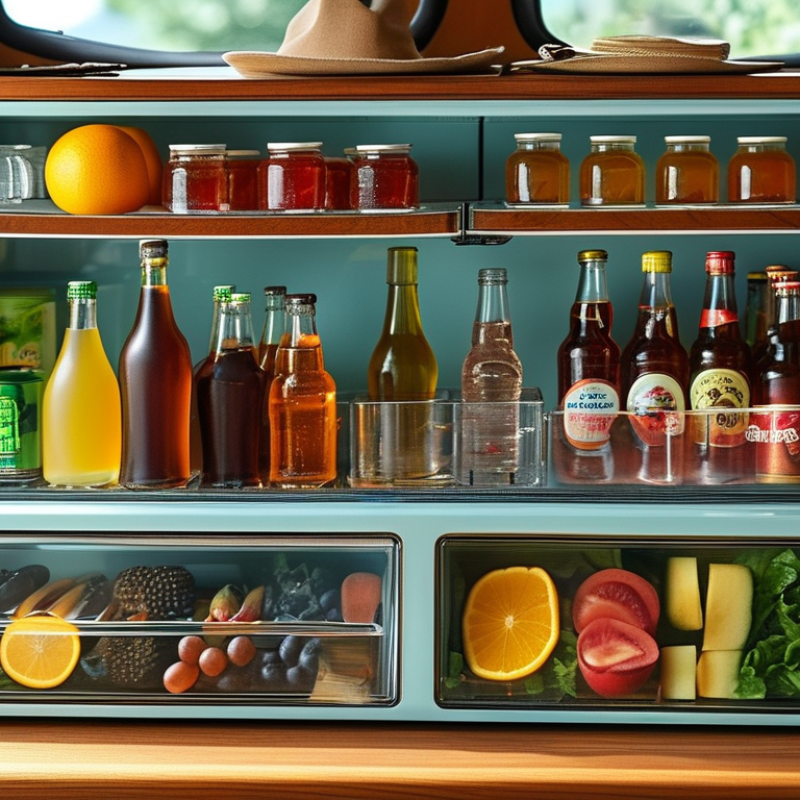
When selecting a portable car cooler, there are several critical factors to consider. The first is capacity. A cooler's size should match your travel needs. For example, a family road trip may require a larger model, while solo travel may only need a smaller option. Capacity affects not just space but also cooling efficiency. According to industry reports, coolers with larger capacities can maintain lower temperatures more effectively.
Another important aspect is power source. Most coolers can operate via car batteries or AC outlets. If you plan on using the cooler for extended trips, consider options with dual power capabilities. Research indicates that dual-source coolers provide more flexibility, especially during long drives or camping trips. Battery life also matters. A cooler that drains too quickly may leave you with spoiled food and drinks.
Insulation quality plays a significant role too. Good insulation keeps contents cold for longer and saves energy. However, some models may not offer optimal thermal efficiency. You might find that an insulated cooler, while excellent in theory, fails to maintain temperatures in extreme heat. Always check user reviews and data reports for real-world performance insights. Balancing capacity, power, and insulation creates a better experience on the road.
| Feature | Description | Considerations |
|---|---|---|
| Size & Capacity | Measured in quarts or liters, it indicates how much food or drink can fit. | Choose based on the number of people and length of trips. |
| Cooling Technology | Types include thermoelectric, compressor, and passive coolers. | Consider efficiency and how quickly it cools. |
| Power Source | Options include AC, DC, or battery-operated. | Determine if you need it for car, home, or camping use. |
| Durability | Material quality affects how well it withstands travel conditions. | Look for rugged designs if using for outdoor adventures. |
| Weight | The lighter the cooler, the easier it is to transport. | Balance weight with desired capacity. |
| Price | Prices vary widely based on brand and features. | Set a budget but consider features that justify the cost. |
: Capacity affects space and cooling efficiency. Larger coolers maintain lower temperatures better, while smaller ones suit solo trips.
The power source is critical. Dual-source coolers offer flexibility, especially for extended trips. Battery life is also essential.
Good insulation keeps contents cold longer and saves energy. Poor insulation may fail to maintain temperatures in extreme heat.
Electric coolers are great for road trips. Passive coolers use ice but have limited cooling time. Hybrid coolers are versatile but pricier.
Consider the size of your vehicle and what items you need to store. A balanced cooler avoids wasted energy and unnecessary space.
Weight affects portability. A heavy cooler may be hard to lift, especially when full. Good handle design can improve transport comfort.
When selecting a Portable Car Cooler, it is essential to consider various factors to meet your specific needs. First, understanding the different types of coolers available, such as electric and non-electric models, can aid in making an informed choice. Evaluating the cooling performance is crucial, taking into account power consumption and efficiency ratings to ensure you select a model that effectively maintains the desired temperature without excessive energy usage.
Additionally, space and capacity play a significant role in your decision-making process. It’s important to choose a cooler that fits your space requirements while providing enough room for your items. Finally, budgeting is key; consider the price ranges and the features that come with each cooler to ensure you receive the best quality for your investment. Overall, a well-thought-out selection process for a Portable Car Cooler can enhance your travel experience by keeping your food and beverages at the perfect temperature.

 Qixuan Electric