When planning your next adventure, a reliable RV fridge can make all the difference. The right model keeps your food fresh and drinks cold, enhancing your travel experience. Whether you’re hitting the road for a weekend or a longer journey, having a quality RV fridge is crucial.
The market offers a variety of RV fridges to suit different needs. Some models are compact and energy-efficient, ideal for small spaces. Others are larger, providing ample storage for families. It's essential to consider factors such as cooling performance, power source, and size before making a decision.
It's also worth noting that not all RV fridges suit every lifestyle. Some may require more maintenance than others. Choosing the right RV fridge involves weighing your preferences and understanding the specifications. A hasty choice might lead to disappointment during your travels. Finding a fridge that meets your needs will ensure a more enjoyable adventure.
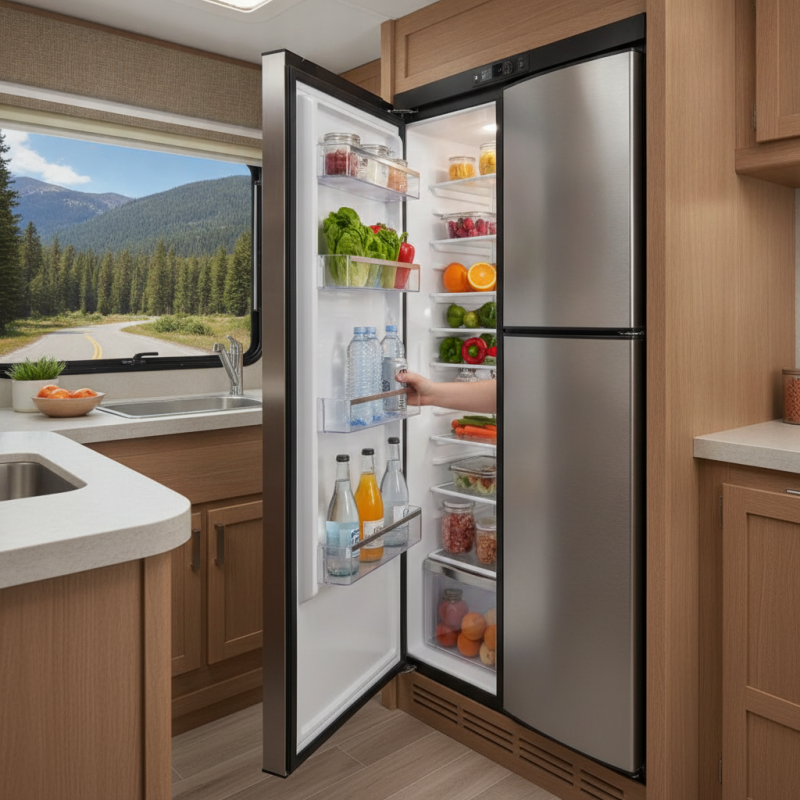
Understanding Different Types of RV Refrigerators: Absorption, Compressor, and 3-Way Models
When planning your next RV adventure, understanding the different types of refrigerators is crucial. RV refrigerators come in three primary options: absorption, compressor, and 3-way models. Each type has its pros and cons, which cater to different travel needs.
Absorption refrigerators are popular due to their silent operation. They work using gases and require no moving parts. However, they are less energy-efficient compared to compressor models. Research shows that absorption units can consume up to 30% more energy than compressor refrigerators. Yet, they are suitable for off-grid camping, as they can run on propane.
Compressor refrigerators, on the other hand, are more efficient and can cool contents faster. They often use the same technology found in household fridges. According to industry studies, compressor models can save RV owners an average of 20% in energy costs. However, they do tend to be noisier and rely on a consistent power source. For those weeks on the road, this can be a significant factor.
3-way refrigerators offer versatility, operating on electric, propane, and battery power. This flexibility can be appealing for diverse camping environments. However, their complexity sometimes leads to maintenance challenges. The choice of refrigerator ultimately depends on various factors, including travel style and destination. Being aware of these variables ensures a more enjoyable journey.
Best RV Fridge Options for Your Next Adventure
| Type |
Capacity (Cubic Feet) |
Power Source |
Temperature Range (°F) |
Weight (lbs) |
Price Range ($) |
| Absorption |
6 - 10 |
Propane, AC, DC |
30 - 50 |
50 - 100 |
800 - 1200 |
| Compressor |
3 - 10 |
AC, DC |
0 - 32 |
25 - 70 |
600 - 1500 |
| 3-Way |
5 - 8 |
Propane, AC, DC |
20 - 50 |
60 - 90 |
700 - 1300 |
Key Features to Look for in an RV Fridge: Size, Energy Efficiency, and Temperature Control
When selecting an RV fridge, size matters significantly. The market shows that RV fridges generally range from 3 to 10 cubic feet. A fridge that is too large can waste space. One that is too small may leave you with spoiled food, a common concern for travelers. Choose a size that reflects your cooking habits and the number of people on your trip.
Energy efficiency is another crucial feature. Reports indicate that an Energy Star-rated fridge can reduce energy costs by up to 30%. This means fewer stops for fuel. Many RV fridges run on both propane and electricity. It’s essential to check the energy sources available during your adventures. The goal should always be a balance between efficiency and capacity.
Temperature control is often overlooked. A fridge that maintains consistent temperatures can prevent food from spoiling. According to industry standards, a variation of more than 2°F can affect food safety. Digital temperature controls provide better accuracy but can be more complicated. Ultimately, finding the right balance between user-friendliness and reliability is key. Review your needs; don’t compromise on functionality for convenience.
Comparative Analysis of Top RV Fridge Brands: Cost, Performance, and User Reviews
When choosing an RV fridge, comparing brands is essential. Some fridges boast impressive performance metrics, while others focus on cost-effectiveness. Industry reports indicate that energy efficiency varies significantly among models, impacting long-term operational costs. A study from the RV Industry Association (RVIA) noted that energy-efficient models can save up to 30% on power consumption compared to traditional units.
User reviews often highlight the importance of cooling performance. Many RV owners express dissatisfaction when their fridge struggles to maintain consistent temperatures. According to a survey by the Recreational Vehicle Manufacturers Association, around 25% of users experienced temperature control issues, leading to spoiled food. Moreover, durability is a concern; some less expensive models may break down faster than expected.
Weight and size also matter. Many adventurers prefer lightweight options for easy maneuvering. However, some compact models sacrifice storage space, which can limit food supply on longer trips. Balancing portability with storage is a frequent dilemma for RV owners. In summary, understanding these aspects can reveal which fridge aligns best with your specific travel needs and budget.
Installation and Maintenance Tips for Optimal RV Fridge Performance
Maintaining your RV fridge is crucial for any adventure.
Regular check-ups ensure it operates efficiently. They should be cleaned at least once a month.
Dust and dirt can block airflow, causing units to work harder. This can lead to higher energy consumption, estimated to increase by 10% according to industry data.
Temperature settings play a key role in performance. Keeping the fridge at 37°F (3°C) is ideal.
This range balances food preservation and energy efficiency. It is recommended to use a thermometer to check temperatures, as settings can drift over time.
Consider the installation location as well. Placing the fridge in a shaded area can help optimize cooling.
This simple change can improve performance by up to 20%.
Regular maintenance checks can catch small issues before they escalate. Ignoring these can lead to larger, costlier problems down the road.
Make it a habit to inspect seals and hinges regularly.
Energy Consumption and Battery Life: How RV Fridges Affect Your Power System
When it comes to RV fridges, energy consumption and battery life are crucial factors. A good fridge should not only keep your food fresh but also work efficiently within your power system. Understanding how different types of fridges affect your energy use can help you prepare for your adventure better.
The power draw of an RV fridge varies greatly. Absorption fridges often consume more energy, especially when cooling down. In contrast, compressor fridges tend to be more efficient but may also shorten battery life if used improperly. An optimal choice balances performance and battery capacity. To prolong battery life, consider solar panels to recharge while on the road.
Tips: Always monitor battery levels regularly. This routine helps prevent unexpected power outages. Try minimizing open-door time to retain cold air. Lastly, test your fridge at home before embarking on your trip. Unexpected malfunctions can lead to frustration and spoilage. Prepare wisely to ensure a smooth journey.
FAQS
: Choose a fridge size between 3 to 10 cubic feet. It should fit your cooking habits and group size.
Look for models rated for energy efficiency. These can save up to 30% on energy costs during trips.
Maintaining a steady temperature prevents food spoilage. Variations over 2°F can affect food safety significantly.
Focus on performance, cost-effectiveness, and user reviews. Energy efficiency can significantly impact long-term expenses.
Clean it at least once a month. Dust can block airflow, leading to increased energy use.
Keeping it at 37°F (3°C) balances food preservation and energy efficiency.
A shaded installation site can improve cooling efficiency by up to 20%. Choose wisely to enhance performance.
Inspect seals and hinges often. Catching small issues early can prevent costlier problems later.
Lightweight fridges are easier to maneuver. However, compact models might limit storage for longer trips.
Many users report issues with temperature control. This can lead to dissatisfaction and spoiled food.
Conclusion
When choosing the best RV fridge for your next adventure, it's essential to understand the different types available, including absorption, compressor, and 3-way models. Each type has its unique advantages, so consider your specific needs and preferences. Key features such as size, energy efficiency, and precise temperature control play a crucial role in your selection process, ensuring that you keep your food fresh and drinks cold while on the road.
Additionally, a comparative analysis of various RV fridge options reveals important insights into costs, performance, and user satisfaction. To maximize the efficiency of your RV fridge, proper installation and regular maintenance are vital. Lastly, understanding energy consumption and battery life will aid in optimizing your power system, ensuring your adventures are as enjoyable and stress-free as possible while relying on your RV fridge.

 Qixuan Electric