Choosing the right cooler box is essential for any outdoor adventure. A high-quality cooler box keeps your food fresh and drinks cold. This is especially critical during warm days spent in the sun. Imagine a picnic with warm soda and spoiled sandwiches. That's not an ideal outing.
Several options stand out in the market. Some cooler boxes are lightweight and easy to carry. Others offer advanced insulation technology, keeping ice for days. Knowing which features suit your needs can make a difference. Many brands promise durability and performance, but not all deliver equally.
Understanding the importance of a reliable cooler box is vital. You need something that withstands rough conditions yet is user-friendly. Look for models with sturdy handles and sturdy materials. A balance between weight and durability is key. Making an informed choice can enhance your outdoor experience significantly.
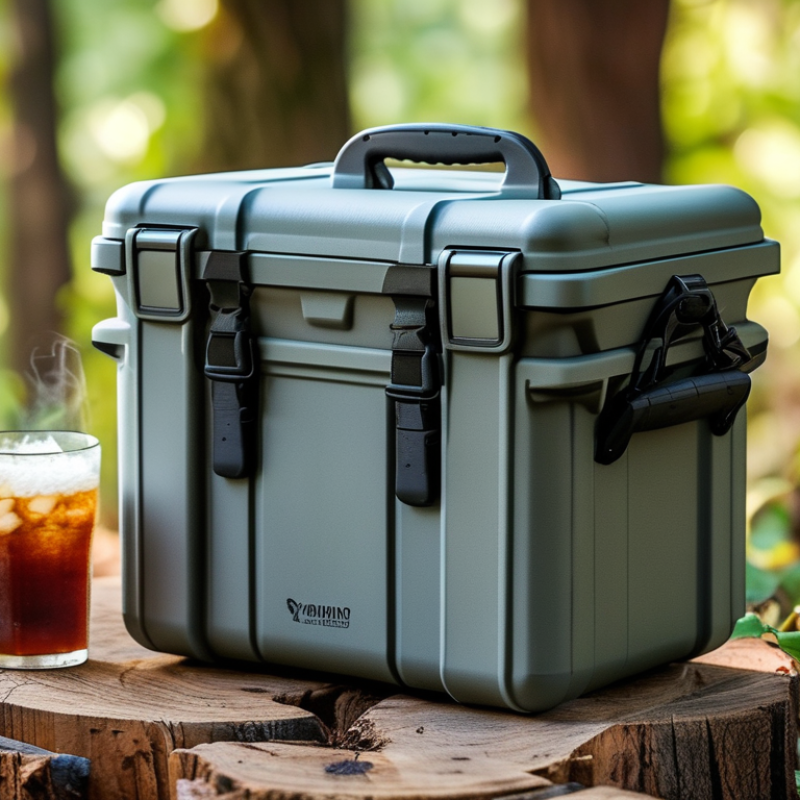
When selecting a cooler box for outdoor adventures, several features are essential. Insulation is key. A well-insulated cooler retains ice for days. Look for foam insulation, as it provides excellent thermal retention. A durable exterior is also crucial. Strong materials can withstand rough handling. Consider impact-resistant plastic or even metal options, depending on your needs.
Mobility matters too. Choose a cooler with wheels or comfortable handles. This makes transport easy on uneven terrain. Size can’t be overlooked. It should fit your food and drink needs without being cumbersome. A good cooler strikes a balance between portability and capacity. At times, larger coolers may be challenging to manage.
Additional features can enhance functionality. Drain plugs simplify cleaning. Integrated cup holders add convenience at picnics. Some people appreciate built-in bottle openers, too. Reflect on what you value most in a cooler box. The perfect choice should meet your personal lifestyle and traveling habits while also being reliable in varying weather conditions.
| Cooler Type | Insulation Material | Capacity (QT) | Weight (lbs) | Price ($) | Special Features |
|---|---|---|---|---|---|
| Rotomolded Cooler | Polyurethane Foam | 65 | 45 | 300 | Heavy-duty construction, bear-resistant |
| Soft Cooler | Insulated TPU | 30 | 2 | 150 | Lightweight, easy to carry, waterproof |
| Hard Cooler | Polystyrene Foam | 50 | 30 | 200 | Stackable, integrated handles |
| Backpack Cooler | Nylon + Insulation Layer | 20 | 4 | 100 | Hands-free transport, versatile pockets |
| Beverage Dispenser Cooler | Injection Molded | 40 | 30 | 180 | Spout for easy pouring, sturdy design |
When choosing a cooler box for outdoor adventures, the type matters greatly. Hard shell coolers are known for their durability. They can withstand rough handling and protect the contents well. These coolers often have thick insulation. They keep ice frozen longer, making them great for extended trips. However, they can be heavy and bulky. Transporting them may be challenging for some outdoor enthusiasts.
Soft shell coolers, on the other hand, offer flexibility and lightweight convenience. They are easier to carry and store. Many come with comfortable straps or backpack designs. This makes them suitable for hiking or days at the beach. Yet, soft shell options may not retain cold temperatures as effectively as hard shells. You might find ice melting quicker in warmer conditions.
Both types have their strengths and weaknesses. Consider your specific needs when choosing. Do you prioritize capacity and durability, or portability and ease? Each choice reflects different preferences. Understanding these aspects can lead to a more enjoyable outdoor experience.
When planning an outdoor adventure, your cooler box can be a game changer. The right insulation techniques greatly affect cold retention. Using thick foam insulation is essential. It creates a barrier against heat. The more insulation, the better your food and drinks stay cold.
Another important technique is to pre-chill your cooler and its contents. Placing ice packs inside before adding food helps maintain a low temperature. This simple step can make a noticeable difference. Additionally, use block ice instead of crushed ice to reduce melting speed. Block ice melts slower and keeps the cooler colder for longer.
Ensure the cooler is kept in the shade during the day. The sun can significantly raise the internal temperature. Consider using reflective blankets or tarps as an extra layer of protection. Not all techniques will yield perfect results. Sometimes, despite your best efforts, your cooler may not stay as cold as you'd like. The setup and environment play significant roles. Being aware of these factors can help improve your outdoor experience.
Choosing the right cooler box for your outdoor adventure involves several important size considerations. A common mistake is underestimating the amount of food and drink needed for a trip. Think about the number of people joining you. If you're going solo, a smaller cooler may suffice. However, for families or larger groups, a bigger box is essential to keep everything cold.
Pay attention to the cooler's dimensions. Measure the space in your vehicle or trailer to ensure a proper fit. A cooler that’s too big can be cumbersome to transport. Additionally, consider the types of items you’ll bring. If you plan to store large items, select a cooler with ample internal space. Some coolers come with adjustable dividers, which can help organize different beverages or foods efficiently.
Lastly, think about how long you'll be outside. For a day trip, a compact model may be enough. For extended outings, opt for a cooler that provides better insulation. This might take more space but will save you hassle during your adventure. Finding the right balance between size, portability, and functionality can greatly enhance your outdoor experience.
When planning your next outdoor adventure, choosing the right cooler can significantly enhance your experience. Popular cooler brands bring a variety of innovative features. Many offer exceptional insulation technologies. For example, coolers can keep ice for up to 10 days, per industry studies. This is particularly useful for extended camping trips. A well-chosen cooler extends the freshness of your food and drinks.
When selecting a cooler, consider size and portability. A smaller cooler may be easier to transport but may not hold enough for larger groups. Industry reports indicate that a mid-sized cooler is ideal for weekends spent outdoors. It balances capacity with ease of movement. Many of these coolers feature ergonomic handles and wheels for convenience, emphasizing comfort during transport.
Tips: Look for models that offer a warranty. This ensures you’re covered if the cooler doesn’t perform as expected. Check for extra compartments that can store utensils or other essentials. It’s also worth noting that some brands have unique offerings like built-in speakers or solar charging ports. Even if these features seem gimmicky, they can enhance enjoyment in the great outdoors.
: Key features include good insulation, durable materials, and mobility options like wheels or handles.
Quality insulation retains ice for days and keeps your food and drinks cold longer.
Hard shells are durable and retain cold better. Soft shells are lightweight and easier to carry.
Use thick foam insulation, pre-chill the cooler and contents, and opt for block ice.
Look for drain plugs, cup holders, and built-in bottle openers for easier use.
A good cooler balances portability with enough space for food and drinks. Overly large coolers can be challenging.
Keeping the cooler in the shade is crucial, as direct sunlight raises internal temperatures.
No, sometimes coolers may not stay cold enough despite your best efforts.
It depends on your needs. Assess if you prioritize carrying ease or space for items.
Block ice melts slower compared to crushed ice, aiding in prolonged cold retention.
When planning your next outdoor adventure, choosing the right cooler box is essential for keeping your food and drinks fresh. Look for key features such as durability, portability, and effective insulation techniques to ensure maximum cold retention. Understanding the differences between hard shell and soft shell options can help you make an informed decision based on your specific needs, whether you prioritize rugged durability or lightweight convenience.
Size considerations are also crucial; a cooler box must be appropriately sized for your group and outing duration. Additionally, recognizing popular cooler brands and their unique offerings can guide your selection process, helping you find the best fit for your adventures. In summary, investing time to explore these aspects will enhance your outdoor experience, ensuring that your cooler box meets all your expectations.

Qixuan Electric