What Is the Best Camping Cooler Box in 2026?

Time:2026-11-04 Author:Isabella
0%

Choosing the best Camping Cooler Box in 2026 is about more than finding the biggest model. A cooler must keep food safely cold, fit your vehicle, and remain manageable on uneven ground. Outdoor recreation is also a substantial market: the Outdoor Industry Association’s 2024 Outdoor Participation Trends Report counted 175.8 million U.S. participants in 2023. That scale makes practical, evidence-based gear comparisons useful.

Camping needs vary. A family at a drive-in campsite may value capacity and easy access, while a weekend hiker may prioritize low weight and a secure lid. The 2024 North American Camping & Outdoor Hospitality Report from Kampgrounds of America (KOA) tracks camping participation and traveler preferences, offering useful context for changing outdoor habits. Real trips vary. A cooler’s advertised ice-retention time is only a starting point; ambient temperature, sunlight, how often the lid opens, and pre-chilling can all affect results.

This guide compares cooler types, insulation, usable capacity, portability, cleaning, and value. It also separates manufacturer claims from details shoppers can verify, such as dimensions, drain design, and warranty terms. Small details matter. A bulky box can crowd a packed trunk, and a stiff latch can become annoying after repeated stops. No single model fits every trip. The strongest choice depends on your food, journey length, weather, and budget—and some trade-offs are easy to miss until you are packing for real.
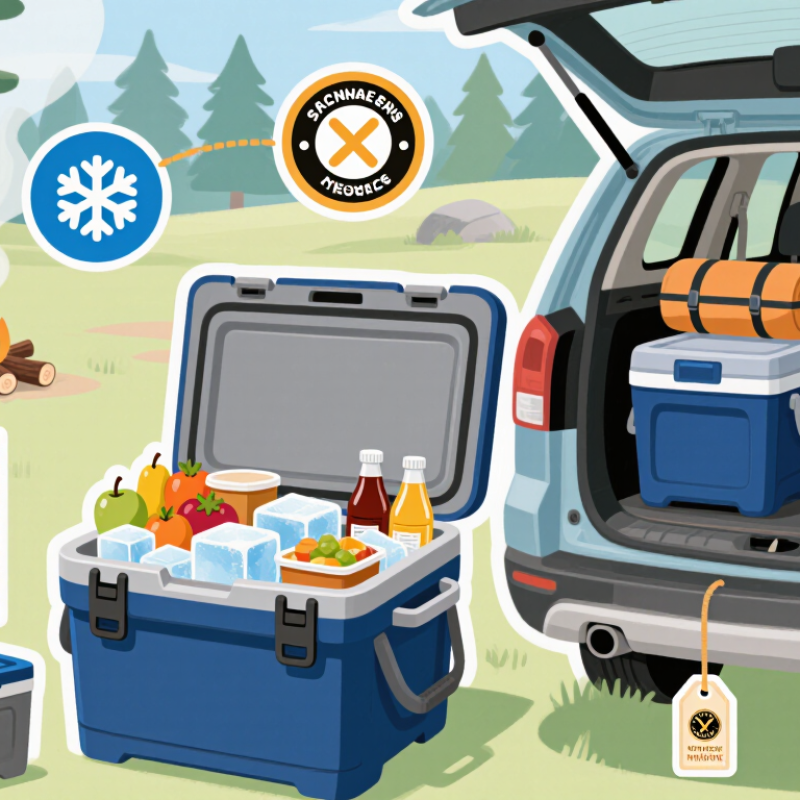
What Is the Best Camping Cooler Box in 2026?

What Is a Camping Cooler Box and How Does It Work?

A camping cooler box is an insulated container that slows heat moving from warm air into chilled food. Its walls usually contain foam, while a fitted lid and gasket limit warm air entering through gaps. Ice or cold packs absorb heat as they warm and melt. The cooler does not generate cold; it only helps preserve the temperature already inside. Simple, but easy to misunderstand.

In practice, performance depends on insulation thickness, lid seals, outdoor temperature, and how often the lid opens. Pre-chilling the box and its contents can reduce the initial heat load. Keep drinks separate from perishable food if you expect frequent access. Pack items tightly, but leave room for cold air to circulate. A shaded spot helps, too. Real conditions vary.

Food safety matters more than a cooler’s advertised hold time. USDA Food Safety and Inspection Service guidance says perishable food should not remain above 40°F for more than two hours, or one hour when temperatures exceed 90°F. Use a small thermometer inside; touch alone cannot confirm safe temperatures. Ice still looks plentiful? Check anyway. A cooler can slow warming, but it cannot guarantee safe storage, especially after repeated opening or in direct sun.

Which Types of Camping Cooler Boxes Are Available in 2026?

What Is the Best Camping Cooler Box in 2026?
Which Types of Camping Cooler Boxes Are Available in 2026?

Camping cooler boxes generally fall into three groups: passive hard-sided, soft-sided, and powered models. Hard-sided boxes have rigid walls and suit multi-day trips, rough vehicle loading, and shared campsites. Soft-sided coolers are lighter and easier to store, but usually work better for day trips. Ice retention also depends on shade, how often the lid opens, and how cold the contents were at packing.

Powered compressor coolers work like compact refrigerators and can maintain a set temperature with a suitable power source. They suit long road trips, but require extra battery planning and are often heavier. Thermoelectric coolers are another powered option; their cooling performance is more affected by surrounding temperatures. KOA’s 2024 North American Camping Report estimated that 58 million U.S. households camped in 2023. That broad audience has varied needs, and the report does not rank cooler types.

Tips: Match capacity to trip length, not the biggest number on the box. Pre-chill food and the cooler, keep it shaded, and separate drinks from perishables. Check drainage and tie-down points before buying. I still overvalue capacity sometimes; a heavy, half-empty cooler is an annoying lesson.

How Should Cooling Performance and Capacity Be Compared?

Cooling performance is easiest to compare under the same conditions. Check how long a cooler keeps food safely cold, not just how long ice remains visible. A half-melted block can look reassuring while the interior warms. That matters.

For a fair test, pre-chill each cooler, use the same amount of ice and food, and place them in similar shade. Record the outdoor temperature and how often the lid opens. A cooler opened repeatedly at a sunny campsite will behave differently from one left closed overnight. Published ice-retention figures can help, but test methods vary, so treat them as estimates rather than guarantees.

Capacity needs the same practical attention. Compare usable interior space, not only the advertised volume. Measure the cooler you plan to pack: bulky containers and thick walls can take up room quickly. Measure the usable space. A small model may hold enough for one person’s drinks and meals, while a group may need room for separate food and ice. Still, choosing the largest box is not always better; extra empty space can be harder to keep cold, and a heavy, full cooler is awkward to move. I’d leave some uncertainty in any comparison, because packing habits and weather can change the result more than expected.

What Features Matter for Durability, Portability, and Ease of Use?

Durability begins at the details you touch. Check whether hinge pins feel secure, the lid sits evenly, and the gasket compresses without gaps. Thick corners can help resist knocks against gravel or a car trunk, but extra material often adds weight. No feature is free. Look for independent test results that state the test temperature, ice load, and duration; “keeps ice for days” means little without those conditions. The Outdoor Industry Association’s 2024 Outdoor Participation Trends Report estimates that 175.8 million Americans took part in outdoor recreation in 2023. That is useful market context, not proof that any cooler performs well.

Portability changes once the box is full. Ten liters of water alone weigh about ten kilograms, before adding ice or the cooler itself. Compare loaded weight, handle grip, and whether wheels roll over the ground you actually camp on. A short carry across a smooth parking lot is different from a rocky path. For ease of use, test the latch with cold hands, check whether the drain is reachable, and see if the lid stays open while you pack. Small things matter. A simple latch may be easier to operate, though that preference is partly personal. Measure your vehicle’s storage space, too; a cooler that barely fits can become an irritating daily chore.

How Can You Choose the Best Camping Cooler Box for Your Trip?

Start with the trip, not the cooler’s advertised capacity. A one-night car camp needs less storage than a family weekend with drinks, produce, and raw ingredients. Estimate your food volume, then leave room for ice; an overpacked box can cool unevenly. Check usable interior dimensions, not just external measurements. Will a tall bottle stand upright? Can you reach lunch without lifting everything? These small checks can prevent awkward packing at the campsite. A larger box is not automatically better. It can be heavy before it is full.

Match insulation and construction to your conditions. For a hot, multi-day trip, thicker insulation and a well-sealing lid can help retain cold, but frequent opening works against them. Separate drinks from food if people will reach for beverages often. Consider weight, handles, drainage, and whether the box fits in your vehicle with luggage loaded. That matters. For carrying any distance, a rigid cooler may be inconvenient; wheels help mainly on firm ground. Check whether the interior washes clean, since melted ice and food residue can linger. Advertised ice-retention times vary with shade, starting temperature, ice quantity, and use. Planning is easy to get wrong: a home packing test can reveal excess food or a poor fit before departure.

What Is the Best Camping Cooler Box in 2026?

Choose capacity based on your group size. The ranges below are practical planning estimates, not product test results.

For a weekend trip, allow extra room for ice, drinks, and bulky food. A larger group or longer trip may need more capacity; packing habits and access to fresh ice also matter.

FAQS

What does a camping cooler box do?

It slows heat from reaching chilled food. Foam walls, a fitted lid, and a gasket help. It does not make things cold.

How can I keep a cooler cold longer?

Pre-chill the cooler and its contents. Add ice or cold packs, keep the box shaded, and limit lid openings. Small steps help.

How can I check whether food is still cold enough?

Use a small thermometer inside the cooler. Perishable food should stay at or below 40°F. Touch is not a reliable check.

How long can perishable food stay above 40°F?

Keep exposure under two hours, or under one hour when temperatures exceed 90°F. A cooler cannot guarantee safe storage.

How should I compare cooling performance?

Compare coolers under similar conditions. Use the same ice and food amounts, shade, outdoor temperature, and lid-opening frequency. Test results vary.

What does ice-retention time tell me?

It offers a rough comparison, not a promise of safe food temperatures. Visible ice can remain while the cooler’s interior warms. Check anyway.

How do I choose the right capacity?

Check usable interior space, not just advertised volume. Thick walls and bulky containers take room. Extra empty space may be harder to keep cold.

What should I check for portability and durability?

Inspect the hinges, gasket, latch, handles, and drain. Consider loaded weight and the ground you’ll cross. Ten liters of water weighs about ten kilograms.

Is a larger cooler always a better choice?

Not quite. A full, heavy cooler can be awkward to move, while an oversized box may waste space. Measure your vehicle first; I might still underestimate the hassle.

Conclusion

A Camping Cooler Box keeps food and drinks cold by slowing heat transfer through insulated walls and a tightly fitted lid. In 2026, options range from lightweight soft-sided coolers to rigid hard-sided models and powered coolers, each suited to different trip lengths, storage needs, and transport methods. Comparing cooling performance means considering insulation, how long contents need to stay cold, and whether the capacity fits your group without making the cooler difficult to carry.

The right choice also depends on durable construction, secure closures, comfortable handles or wheels, and practical details such as easy-clean surfaces and useful compartments. For a short outing, portability may matter most; for a longer camping trip, greater capacity and reliable temperature retention may be more important. Match the cooler’s size, cooling method, and features to your itinerary, available transport, and the amount of food and drink you plan to bring.


Isabella

Isabella

Isabella is a dedicated marketing professional with a sharp focus on driving brand growth and engagement through strategic content creation. With an extensive background in digital marketing, she combines her passion for storytelling with her keen understanding of industry trends to deliver......