When planning an outdoor adventure, choosing the right Camping Cooler Box is essential. Expert Sarah Johnson, a well-known figure in the outdoor gear industry, states, "A good cooler can make or break your camping experience." This emphasizes the critical role these boxes play in keeping your food and drinks fresh.
The best Camping Cooler Box should be durable, easy to carry, and offer excellent insulation. Many products on the market claim to meet these criteria. However, not all perform equally. Some struggle to keep ice frozen for long periods, while others are extremely heavy. It’s worthwhile to examine product reviews and feedback, as they can reveal the practicality of each cooler.
Finding the perfect cooler is often a trial-and-error process. Outdoor enthusiasts frequently share their experiences, helping fellow campers make informed choices. Despite advancements in technology, some coolers still fall short. Understanding these common pitfalls can guide you towards a better decision. Investing time in research can truly elevate your camping experience.
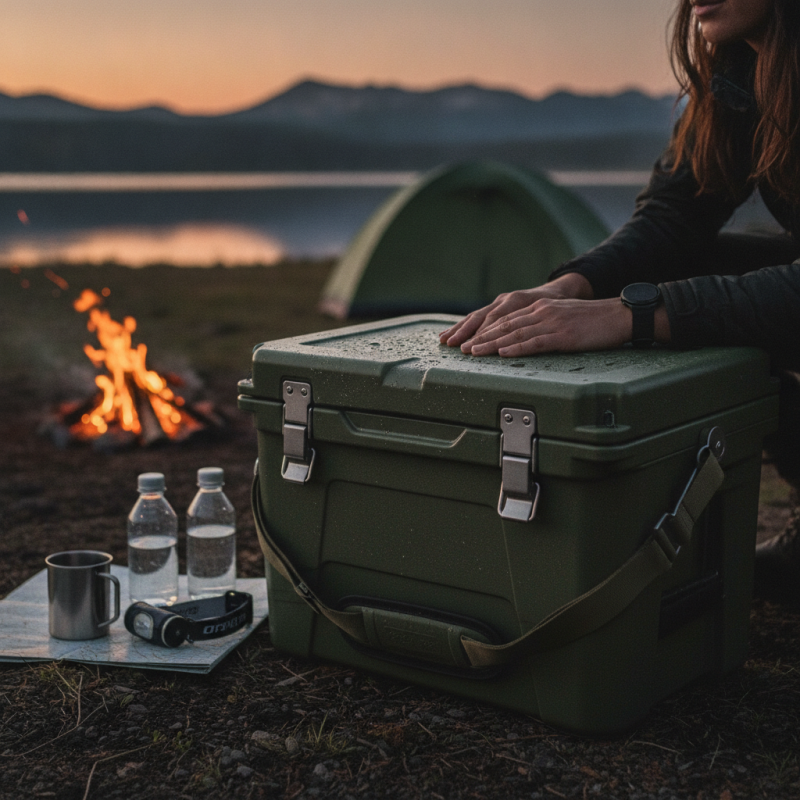
When camping, a good cooler box can significantly enhance your outdoor experience. Research indicates that about 20% of camping trips are negatively impacted by inadequate food and drink storage. A proper cooler can keep perishables fresh, ensuring safety and enjoyment. Without a reliable cooler, you risk spoilage, which could lead to health issues.
Choosing the right cooler involves several factors. Insulation quality, size, and weight matter. Data suggests that coolers with thicker insulation retain ice for up to five days longer. This longevity is crucial for multi-day trips. Portability also affects convenience. A cooler that is too heavy or cumbersome can strain your physical energy. Remember to consider your group size. A smaller cooler may limit food options for larger gatherings.
Tips:
These insights can guide you in selecting the best cooler for your needs. The right choice can enhance your camping experience, keeping your food and drinks cold and fresh.
When selecting a camping cooler box, several key features should be at the forefront of your mind. Insulation is crucial. Look for models with thick walls that maintain cold temperatures for extended periods. A well-insulated cooler can keep ice for days, making it essential for multi-day camping trips. Additionally, consider the cooler's capacity. Choose a size that matches your group's needs, whether you're packing for a solo hike or a family outing.
Portability is another significant factor. A cooler should be easy to carry. Look for models with sturdy handles and lightweight materials. Some coolers even come with wheels for added convenience. Durability matters too. A cooler made from high-quality materials can withstand rough terrain and harsh weather. Inspect the exterior for puncture resistance and UV protection, especially if you'll be in direct sunlight for long periods.
Finally, ease of cleaning shouldn't be overlooked. Some coolers have removable liners or drainage plugs, making cleanup a breeze. Look for features that enhance usability, like built-in cup holders or compartments for utensils. Balancing these features can be tricky. Avoid getting too caught up in the latest trends; a straightforward, functional design may often serve you best. Reflect on your specific camping needs and preferences for an optimal choice.
This bar chart compares various key features of camping cooler boxes. The dimensions include ice retention duration, capacity in liters, expected durability in years, weight in kilograms, and price in US dollars. Each cooler's performance on these metrics is essential for selecting the right cooler for your outdoor adventures.
When it comes to camping, choosing the right cooler can make a big difference. There are several types of camping coolers available, each serving unique purposes.
Soft-sided coolers are lightweight and portable. They are great for short trips where space is limited. You can easily carry them in your backpack. However, they might not keep items cold for as long as harder options.
Hard-sided coolers are known for their durability and insulation. They can retain ice for several days, making them perfect for extended camping trips. These coolers can handle rough handling and tough conditions.
On the downside, they are heavier and bulkier. If you're hiking, this might be a concern.
Electric coolers offer convenience for those with access to power. They provide consistent cooling without the need for ice. However, they require a power source and can drain batteries quickly.
Consider your camping style before making a choice. Each type has its benefits and limitations. Think about your needs and preferences carefully.
Choosing the right camping cooler is essential for your outdoor excursions. Not all coolers are created equal. Some excel in insulation, while others focus on durability. Popular brands offer various models, each designed for specific needs. When comparing them, consider their size, weight, and insulation capabilities.
One well-regarded model showcases a temperature retention of up to five days. It also features strong construction materials. This cooler can withstand rough handling during trips. However, some users report it can be bulky for solo campers. A different model touts portability and lightweight design. This is great for short hikes but may not keep ice as long.
In the end, personal preferences play a significant role in choosing the best cooler. Some prioritizing compactness might sacrifice insulation quality. Others may opt for larger coolers that can be heavy to carry. Always think about your specific trip needs when making a decision.
When using a camping cooler, preparation is key. Clean it out before your trip. This prevents bad odors and ensures freshness.
Pack it the right way. Use ice packs and freeze items beforehand. Layer ingredients with ice to maintain cold temperatures. Ice blocks last longer than cubes.
After your camping trip, cleaning is essential. Rinse the cooler thoroughly with soap and water. Dry it completely to avoid mold growth. Inspect the seals regularly.
A damaged seal can lead to poor insulation. Keep your cooler in a shaded area while camping. This helps retain cold air inside.
Remember to store your cooler properly between trips. Leaving it in damp spaces can cause damage. Ventilation is important for preservation.
Reflect on your experience after each trip. What worked well? What could be improved? Each adventure is a chance to learn and refine your cooling strategies.
: A good cooler enhances the camping experience by keeping food and drinks fresh. Spoilage can lead to health issues.
Consider insulation quality, size, weight, and portability. Thicker insulation retains ice longer, crucial for multiple days.
Choose a size that fits your group. A small cooler may limit food for larger gatherings. Think about your needs.
Pre-chill the cooler, use ice packs, and layer contents with ice to maintain cold. Ice blocks last longer than cubes.
Rinse thoroughly with soap and water. Dry completely to prevent mold growth. Cleaning helps ensure freshness for next use.
Inspect seals regularly for damage. Store in a ventilated area and keep out of damp spaces. Reflect on your usage to improve.
Look for removable liners for easy cleaning, sturdy handles, and ventilation. Simple designs may often be more practical.
Pack drinks at the bottom, avoid leaving it in direct sunlight, and consider how you layer and freeze items before packing.
A Camping Cooler Box is an essential gear for any outdoor adventure, providing a reliable way to keep food and drinks fresh and chilled. When selecting the perfect cooler, it's important to understand key features such as insulation type, capacity, portability, and durability. Different types of camping coolers exist, each suited for specific needs— from lightweight soft-sided coolers for short trips to robust hard-sided options for extended excursions.
To maximize the utility of your Camping Cooler Box, it's crucial to maintain it properly by cleaning it after each use and ensuring it is well-insulated. Additionally, knowing how to pack it efficiently will enhance its performance, helping you keep perishables fresh throughout your camping experience. By considering these factors, you can confidently choose the best cooler to elevate your outdoor adventures.

Qixuan Electric