As the trend of camping and outdoor adventures continues to rise, the demand for compact and efficient appliances also grows. The Mini RV fridge is becoming a staple for travelers seeking convenience without compromising on space. In 2026, we see innovations that exemplify these needs. Manufacturers are focusing on energy efficiency and sleek designs that cater to the mobile lifestyle.
New features, such as advanced cooling systems and smart technology, are emerging in Mini RV fridges. These trends highlight a shift towards sustainability while enhancing user experiences. Global buyers are now looking for fridges that not only fit their RVs but also serve multiple purposes.
However, the market is not without its challenges. With many options available, choosing the right fridge can be overwhelming. Buyers must consider factors like size, power consumption, and durability. This evolving landscape of Mini RV fridges offers various solutions, but consumers should remain vigilant. The right choice will depend on individual needs and travel habits.
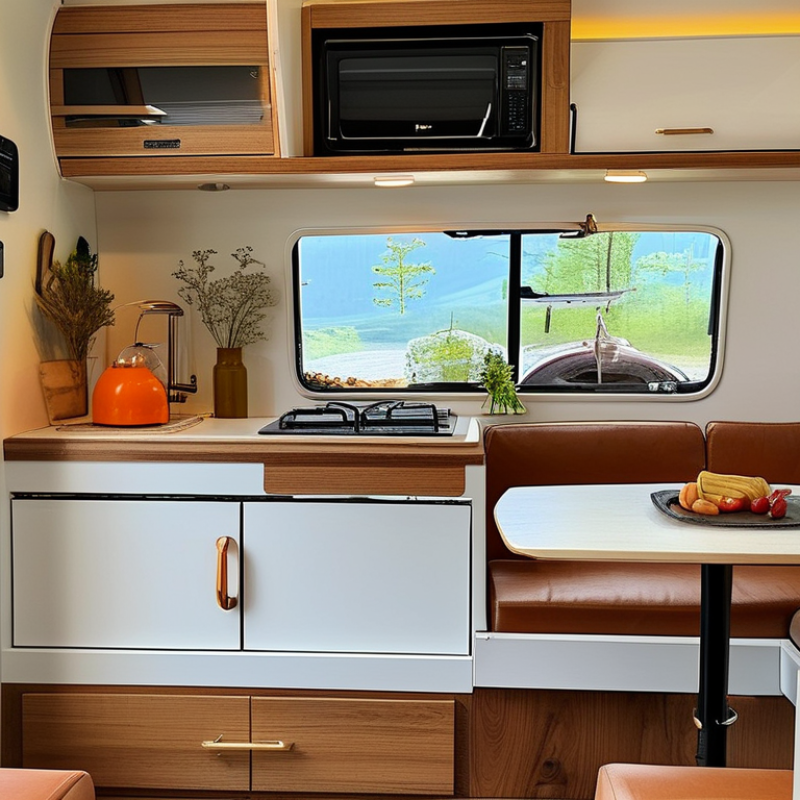
As the mini RV fridge market evolves, several key trends are emerging. The global demand for mini RV fridges is expected to reach USD 1.5 billion by 2026, showing a growth rate of approximately 7% annually. This reflects a strong interest from consumers who value both functionality and compact design. Products that offer energy efficiency and enhanced cooling technology are particularly appealing.
Manufacturers are increasingly focusing on eco-friendly materials. Reports suggest that around 30% of buyers prioritize sustainability when making decisions. The integration of smart technology is also significant. Features like temperature control through smartphone applications are gaining traction. A recent survey indicated that 25% of consumers are more likely to purchase fridges with smart capabilities.
Despite these promising trends, challenges remain. Product durability and customer service are areas needing attention. Many users report issues with longevity. It’s essential for buyers to weigh these factors carefully. Choosing a mini fridge isn’t just about size or price. It’s about finding a reliable product that meets long-term needs.
As we approach 2026, mini RV fridges continue to evolve. Buyers should prioritize energy efficiency in their selection. Look for models with advanced technology that minimize power consumption. These fridges should run smoothly on both electric and gas sources. Dual-function options provide flexibility for varied camping conditions.
Storage space is another crucial feature. Compact does not mean limited. Buyers should seek fridges that maximize interior space. Adjustable shelves allow for the storage of larger items. Some models include special compartments for drinks. These details enhance usability, making trips more enjoyable.
Temperature control is key. Digital displays offer precise adjustments. Users can easily monitor settings at a glance. Built-in thermometers ensure consistency. However, some may find the controls unintuitive. Testing the settings is essential before hitting the road. As trends continue to change, reflections on user experiences will help refine future designs.
The trend towards sustainability is shaping the mini RV fridge market. According to a recent report by the International Energy Agency, energy-efficient appliances can save up to 30% of energy consumption compared to standard models. As consumers seek greener options, manufacturers are responding. They focus on eco-friendly materials and advanced insulation technologies. These innovations contribute to lower energy usage and a smaller carbon footprint.
Mini RV fridges now often incorporate smart technology. This allows users to monitor energy consumption in real-time. One company reported a 15% increase in sales of smart energy-efficient models over the last year. The appeal lies in the ability to save energy while on the road. However, not all products meet these standards. Some still rely on outdated technology, leading to higher energy costs and reduced efficiency.
Consumer awareness is crucial. Many buyers still prioritize price over energy efficiency. As a result, educational campaigns are needed. They aim to showcase the long-term savings and environmental benefits of sustainable choices. Looking ahead, the industry must improve transparency in energy ratings. This will empower consumers to make informed decisions.
The mini RV fridge market is evolving. In 2026, innovative technologies will redefine design and functionality. For instance, solar integration is gaining traction. It allows users to harness renewable energy while on the road. This eco-friendly approach not only saves energy but also enhances sustainability in travel.
Smart technology is also making its mark. Many mini RV fridges will feature Wi-Fi connectivity. This enables users to monitor temperatures remotely. Users can even receive alerts about maintenance needs. Such features aim to improve user experience. However, these innovations require a learning curve. Some tech-savvy users might find it easy, while others may struggle with new interfaces.
Another trend is the focus on lightweight materials. These materials ensure better fuel efficiency for RVs. Yet, they may compromise durability to some extent. Weighing the pros and cons becomes essential for buyers. The industry's journey toward efficiency brings both excitement and challenges. How well companies balance innovation and usability remains to be seen.
The mini RV fridge market is evolving rapidly, driven by changing consumer preferences and advancements in technology. In 2026, buyers are looking for compact solutions that efficiently utilize space while offering energy savings. According to industry reports, the demand for mini fridges is set to grow by 12% annually. Consumers are prioritizing performance and design.
Key players in this market are focusing on innovative features. Many models now come with dual-zone cooling. This allows users to maintain different temperatures for various food items. A 2023 study found that 75% of buyers consider energy efficiency a significant factor when purchasing a mini fridge. Moreover, smart technology integration is becoming a vital trend. Wi-Fi connectivity and app-controlled settings appeal to tech-savvy consumers.
Despite these advancements, challenges persist. Some models still struggle with noise levels, causing irritation in small living spaces. Additionally, not all brands achieve the optimal balance between size and capacity. This indicates a need for ongoing improvement in design and manufacturing. As market demands change, brands must adapt quickly to stay relevant in this competitive field.
| Dimension | Capacity (Liters) | Power Consumption (Watts) | Weight (kg) | Price (USD) |
|---|---|---|---|---|
| 60x50x90 cm | 45 | 60 | 30 | 499 |
| 65x55x85 cm | 50 | 70 | 35 | 549 |
| 55x45x75 cm | 40 | 50 | 28 | 399 |
| 70x60x95 cm | 60 | 80 | 40 | 629 |
| 60x50x80 cm | 35 | 40 | 25 | 349 |
: The global demand is expected to reach USD 1.5 billion by 2026.
Many value functionality and compact design, alongside energy efficiency.
Smart technology that allows temperature control via smartphone apps is gaining traction.
Energy efficiency and advanced technology are important for minimizing power consumption.
Look for adjustable shelves and compartments that cater to larger items.
Durability and longevity of products are common areas needing improvement.
Around 30% of buyers prioritize sustainability when making purchasing decisions.
Digital displays provide precise adjustments, though some users might find them unintuitive.
Energy-efficient models can save up to 30% compared to standard options.
Outdated technology can lead to higher energy costs and reduced performance.
The 2026 Mini RV Fridge market is expected to showcase significant trends that cater to the evolving needs of global buyers. Key features to consider in Mini RV Fridges include capacity, portability, and advanced cooling systems designed to optimize space and efficiency. As sustainability and energy efficiency become increasingly important, many models are incorporating eco-friendly technologies that reduce energy consumption and environmental impact.
Innovative technologies are also shaping the designs of Mini RV Fridges, with advancements in smart features and temperature control systems enhancing user experience. The article highlights how various brands and models are currently leading the market, providing consumers with a diverse range of options to suit their preferences and travel needs. Overall, the 2026 Mini RV Fridge landscape promises to align with contemporary demands for convenience, sustainability, and technological integration.

Qixuan Electric