The 2026 Car Cooler Box market is becoming more specialized, with global buyers comparing compressor coolers, thermoelectric boxes, portable freezer units, and insulated passive models. Each type suits different journeys. A compressor cooler can hold frozen food during a remote road trip. A thermoelectric model fits short city drives, where simple cooling matters more than deep freezing. Passive boxes remain useful for picnics, emergency storage, and vehicles without reliable power access.
Dometic product specialist Johan Zetterström offers a practical buying principle: “Cooling performance matters only when it matches the journey.” That point deserves attention. A 40-liter unit may look impressive, yet it can consume valuable trunk space. A compact 20-liter Car Cooler Box may serve a family better when rear-seat access is limited. Buyers should check voltage protection, insulation thickness, noise level, battery compatibility, temperature range, and warranty support. These details affect real use more than attractive screen displays.
Field experience also exposes a common weakness: capacity labels are not always easy to compare. Some manufacturers measure total internal volume, while others highlight usable storage space. That difference can surprise buyers. Climate, road vibration, vehicle ventilation, and driving distance also change performance. A cooler that works well in a mild European spring may struggle inside a parked vehicle under tropical sunlight. This guide examines the leading Car Cooler Box types for 2026, using practical details and transparent comparisons. Some conclusions may remain imperfect, because user needs differ widely. That is precisely why careful selection matters.
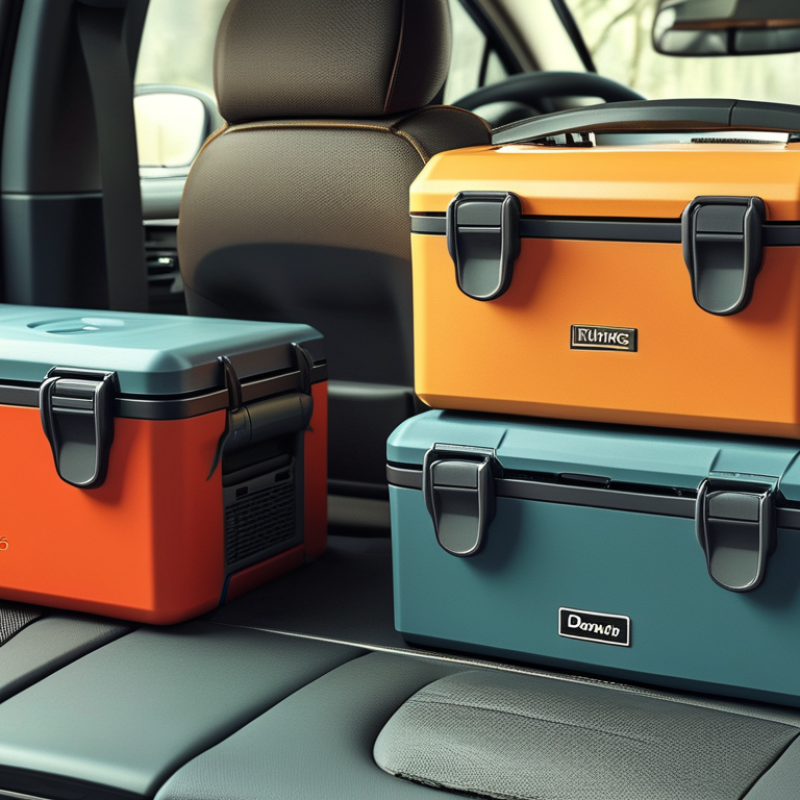
2026 Top Car Cooler Box Types for Global Buyers
Car Cooler Box Fundamentals and Core Cooling Technologies
A car cooler box protects food and drinks during travel. Its cooling performance depends on insulation, airflow, power, and ambient temperature. Passive boxes use thick foam insulation and ice packs. They consume no electricity, but their cooling time is limited. Thermoelectric models use the Peltier effect to move heat outside. They are compact, quiet, and suitable for moderate cooling needs. Compressor models work like small refrigerators and provide stronger, steadier cooling. They usually handle hot weather better, but require more power and careful ventilation.
Tips: Pre-chill the box and its contents before departure. Keep the lid closed. Leave space around ventilation openings. Use a vehicle power outlet with suitable voltage protection. A thermometer helps verify real performance.
In practical testing, published cooling ranges can appear optimistic. A box rated for low temperatures may struggle inside a parked car. Direct sunlight can raise the internal temperature quickly. Put the unit in shade whenever possible. Check insulation thickness, cable quality, drain design, and temperature control. A 12-volt system may suit passenger vehicles, while larger vehicles may support 24-volt equipment. Power banks can help, but their capacity often falls below expectations. I still prefer measuring cooling recovery after opening the lid repeatedly. That small test reveals more than an impressive empty-box specification.
Comparison of common automotive cooler-box categories and their core cooling characteristics. Values are typical market ranges and may vary by model, ambient temperature, insulation quality, load, and vehicle power system.
| Cooler Box Type | Core Cooling Technology | Typical Capacity | Typical Temperature Performance | Typical Power Input | Cooling Behavior | Suitable Vehicle Power Source | Key Advantages | Main Limitations | Recommended Use |
|---|---|---|---|---|---|---|---|---|---|
| Passive Insulated Cooler Box | Thermal insulation with ice, ice packs, or phase-change packs; no active compressor or electrical cooling system. | 10–100 L | Usually keeps contents cold for approximately 12–72 hours, depending on insulation, ice quantity, opening frequency, and ambient conditions. | 0 W | Cooling gradually decreases as the ice or cold packs warm up. | No power required | Low purchase cost, silent operation, simple construction, and reliable use during power interruptions. | Requires ice or frozen packs; internal space is reduced by ice; temperature is not actively controlled. | Day trips, picnics, short-distance travel, emergency backup, and markets with limited access to vehicle power. |
| Thermoelectric Cooler Box | Peltier thermoelectric module transfers heat from the insulated interior to the exterior through a solid-state heat pump. | 8–40 L | Commonly cools approximately 15–25°C below the surrounding air temperature; it generally does not freeze food. | 35–75 W, depending on size and operating mode | Provides continuous cooling while powered, but performance is strongly affected by ambient temperature and ventilation. | 12 V DC vehicle socket; some models also support 24 V DC or household AC through an adapter. | No refrigerant compressor, low vibration, compact size, and relatively light weight. | Less effective in hot climates, continuous power is required, and some units can warm contents when switched to heating mode. | Beverages, snacks, medicines requiring moderate cooling, and short or medium road journeys. |
| Compressor Cooler Box | Vapor-compression refrigeration using a compressor, refrigerant circuit, evaporator, condenser, and thermostat. | 15–100 L | Typically adjustable from approximately +10°C down to around −18°C or lower, depending on design and ambient conditions. | Approximately 40–100 W while the compressor is running; average consumption is lower because the compressor cycles on and off. | Actively maintains a set temperature and can freeze food or make ice in suitable conditions. | 12/24 V DC vehicle systems; many models can also operate from 100–240 V AC with an adapter. | Strong cooling performance, accurate temperature control, and better operation in high ambient temperatures. | Higher cost, greater weight, compressor noise, and more complex components than passive or thermoelectric designs. | Long-distance travel, camping, professional transport, frozen food, and temperature-sensitive products. |
| Absorption Cooler Box | Heat-driven absorption refrigeration, commonly using an ammonia-water-hydrogen working fluid system. | 30–70 L | Often cools approximately 20–30°C below ambient temperature; performance declines in high heat and poor ventilation. | Approximately 70–150 W in electric mode; gas consumption varies by appliance and operating setting. | Provides steady cooling without a mechanical compressor but generally responds more slowly to temperature changes. | 12 V DC, 230 V AC, or fuel gas on compatible three-way systems; vehicle use requires correct installation and ventilation. | Very quiet operation, multiple energy options, and useful for extended stationary camping. | Lower cooling efficiency, slower pull-down, sensitivity to level positioning and ambient heat, and more installation safety requirements. | Caravans, recreational vehicles, campsites, and locations where electricity and gas options are both available. |
| Dual-Zone Compressor Cooler Box | One compressor with separate insulated compartments, or two independently controlled refrigeration zones depending on design. | 35–100 L total capacity | Separate compartments may be set for cooling and freezing, commonly covering approximately +10°C to −18°C. | Approximately 50–120 W while actively cooling; average use depends on zone settings and ambient temperature. | Allows different temperature settings at the same time; opening one compartment usually has less effect on the other. | 12/24 V DC; AC operation is commonly available through an external adapter. | Flexible storage, simultaneous chilled and frozen compartments, and strong temperature control for longer trips. | Higher purchase price, larger footprint, greater weight, and potentially higher energy consumption. | Family travel, overlanding, extended camping, fishing, and mixed chilled-and-frozen cargo. |
| Portable Drawer-Style Compressor Cooler | Compact vapor-compression refrigeration integrated into a slide-out drawer or low-profile vehicle module. | 15–50 L | Typically adjustable from approximately +10°C to −18°C, subject to insulation and ventilation conditions. | Approximately 40–80 W during compressor operation | Maintains active cooling with convenient front access and limited need to remove other items. | 12/24 V DC vehicle wiring; some installations include a regulated AC power supply. | Space-efficient, secure installation, easy access, and good integration into vehicle interiors or storage systems. | Usually requires mounting space, installation work, and adequate airflow around the compressor and condenser. | Touring vehicles, camper conversions, utility vehicles, and permanent or semi-permanent installations. |
| Battery-Integrated Electric Cooler Box | Usually compressor-based refrigeration combined with a removable or built-in rechargeable battery pack and battery management system. | 15–60 L | Commonly adjustable from approximately +10°C to −18°C; actual battery runtime depends on settings and conditions. | Approximately 40–100 W while cooling; battery capacity is commonly rated in watt-hours. | Can continue cooling when the vehicle is parked, provided the battery has sufficient charge. | Internal rechargeable battery, 12/24 V DC vehicle input, and often AC charging through an adapter. | Portable operation away from the vehicle, reduced risk of draining the starter battery, and convenient off-grid use. | Higher weight and cost; battery runtime decreases in hot weather, with frequent opening, or at freezer temperatures. | Off-grid travel, tailgating, outdoor work, camping, and vehicles without continuous accessory power. |
| Solar-Compatible Compressor Cooler Box | Compressor refrigeration connected to a vehicle electrical system, portable power station, or solar charging setup. | 20–70 L | Typically adjustable from approximately +10°C to −18°C, provided sufficient electrical energy is available. | Approximately 40–100 W during compressor operation | Cooling is continuous when the power system supplies adequate energy; solar performance changes with sunlight and panel capacity. | 12/24 V DC, battery bank, portable power station, and compatible solar charging controller. | Useful for extended off-grid operation and can reduce dependence on mains electricity or fuel-powered generators. | Requires correct system sizing, battery storage, wiring protection, and realistic assessment of daily solar energy. | Overlanding, remote work, expedition travel, disaster preparedness, and long-term outdoor use. |
Fundamental selection factors: Choose capacity according to passenger count and trip length; confirm the vehicle voltage; check continuous and peak current requirements; compare usable internal volume rather than external dimensions; verify ventilation clearance; and consider insulation quality, temperature range, noise, battery protection, drain design, and local electrical safety requirements.
: It keeps drinks, meals, and other foods cooler during road trips. Keep food protected.
Thick foam insulation and ice packs preserve cold without electricity. Cooling time is limited.
It suits short trips and moderate cooling needs. It is compact and quiet. Hot cars reduce its performance.
Choose one for stronger cooling, steadier temperatures, or freezing food. It needs more power and ventilation.
A 15–25 liter box suits drinks and small meals. Families may need 30–50 liters for several days. Bigger means heavier.
Not always. Direct sunlight and a parked car can quickly raise internal temperatures. Published figures may seem optimistic. Measure it yourself.
Many units use 12-volt vehicle outlets. Larger vehicles may support 24-volt connections. Some accept household power through an adapter. Solar power can be inconsistent.
Pre-chill the box and its contents before leaving. Keep the lid closed. Leave space around ventilation openings. Place the unit in shade. A thermometer reveals the truth.
Check cable quality, fuse protection, drain design, handles, noise, and usable storage. Interior baskets reduce available space. I would test recovery after repeated lid openings.
This guide explains the fundamentals of a Car Cooler Box and the main cooling technologies available to global buyers, including compressor, thermoelectric, and insulation-based designs. It compares portable, vehicle-mounted, and dual-purpose models by cooling performance, storage capacity, energy efficiency, noise level, temperature control, and power options such as vehicle outlets, rechargeable batteries, and compatible adapters. Readers will gain a practical understanding of how each type performs in different climates and travel conditions.
The article also provides advice for selecting a Car Cooler Box for road trips, camping, outdoor work, family travel, and short-distance transport. It highlights important considerations such as available vehicle space, expected operating time, climate, food storage needs, and budget. Safety and maintenance guidance covers ventilation, secure placement, cleaning, moisture control, power protection, and regular inspection. International buyers will also learn to check voltage compatibility, plug standards, shipping requirements, product documentation, warranty terms, and local regulations before purchase.

 Qixuan Electric